Department of Biotechnology & Chemical Engineering

OVERVIEW
Established in 2014, following the inception of Manipal University Jaipur in 2011, the Department of Chemical Engineering was founded with a vision to promote excellence in engineering education, research, and innovation. Since its inception, the department has been supported by a team of highly qualified faculty members with extensive academic, research, and industrial experience, fostering an environment of critical thinking, interdisciplinary learning, and innovation.
Building on its strong academic foundation, the department expanded its academic portfolio in 2023 to include the Biotechnology and Computer Science and Bioscience programmes and was subsequently renamed the Department of Biotechnology and Chemical Engineering. In 2026, the department further strengthened its academic offerings with the introduction of the M.Tech. programme in Computational Biology, reflecting its commitment to emerging interdisciplinary fields that integrate life sciences with computational and data-driven technologies.
The department offers undergraduate, postgraduate, and doctoral programmes in Chemical Engineering, Biotechnology, and Computational Biology. With a strong emphasis on interdisciplinary learning, the curriculum integrates engineering principles, biological sciences, and computational technologies to prepare students for careers in academia, research, and industry.
Faculty members are actively engaged in cutting-edge research in areas such as environmental remediation, sustainable technologies, renewable energy, biochar, bioprocess engineering, computational biology, biomaterials, process systems engineering, and artificial intelligence. The department has secured research funding from prestigious agencies, including ANRF, DST, ICMR, and industry partners, and actively collaborates with leading academic institutions and research organizations.
Supported by modern laboratories, experienced faculty, and strong industry engagement, the department provides students with opportunities for experiential learning, research, innovation, internships, and entrepreneurship. Graduates are well prepared for careers in the chemical, biotechnology, pharmaceutical, environmental, healthcare, energy, and allied sectors, as well as for higher studies and research at leading institutions worldwide.
Committed to excellence in teaching, research, and innovation, the department continues to develop future-ready engineers and researchers dedicated to advancing sustainable technologies for the benefit of society.
VISION
Be a vibrant department of global standards fostering quality education in the field of Biotechnological and Chemical Engineering by inculcating professional and ethical practices to serve society.
MISSION
- Provide fundamental and applied knowledge of computational, biological, and chemical process engineering and infuse professional skills as desired in industry.
- Fostering leadership and entrepreneurship skills among the students to provide global innovations for environmental and societal upliftment.
- Undertake interdisciplinary, transdisciplinary, and applied research with academia, industry, and research organizations.
0
IndustryCollaborations
0
Lakhs inScholarships
0
Faculty MembersHold PhD
0
Hostel Blocks With3 for Girls
0
InternationalCollaborations
TEACHING FACULTY View all faculties


ADJUNCT FACULTY


PLACEMENTS & INTERNSHIPS

Subeer Pratap Singh

Gujarat Fluorochemicals Ltd

Devyani Gosavi

ICICI Bank

Karan Singh

Indian Oil Corporation Limited

Souryani Mohile

Incitech Pivot Limited Australia

Kriti Sharma

JSPL
FACILITIES @MUJ
- Biotechnology Labs
- TP-1 (FM)
- TP-2 (Heat transfer)
- TP-3 (Mass transfer)
- Chemical Reaction Engineering
- Process Dynamics and Control (PDC) lab
- Simulation lab
- Waste to resources
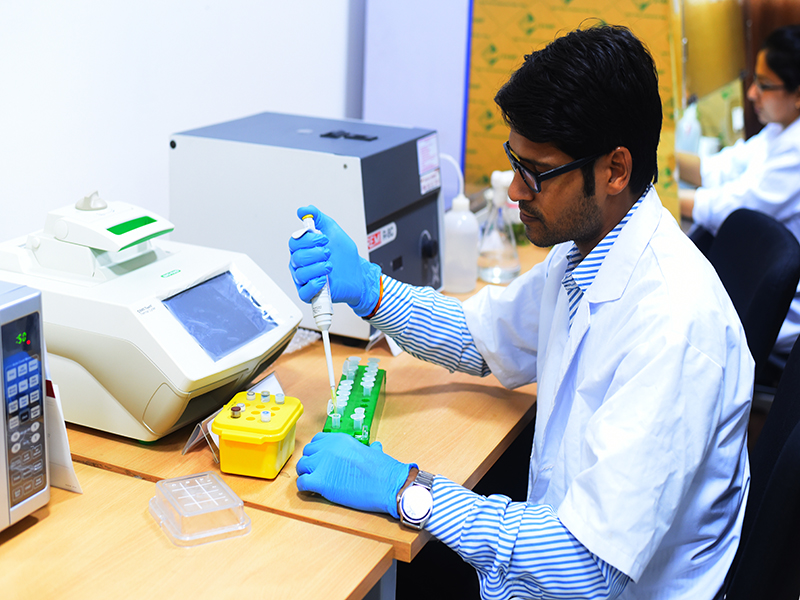
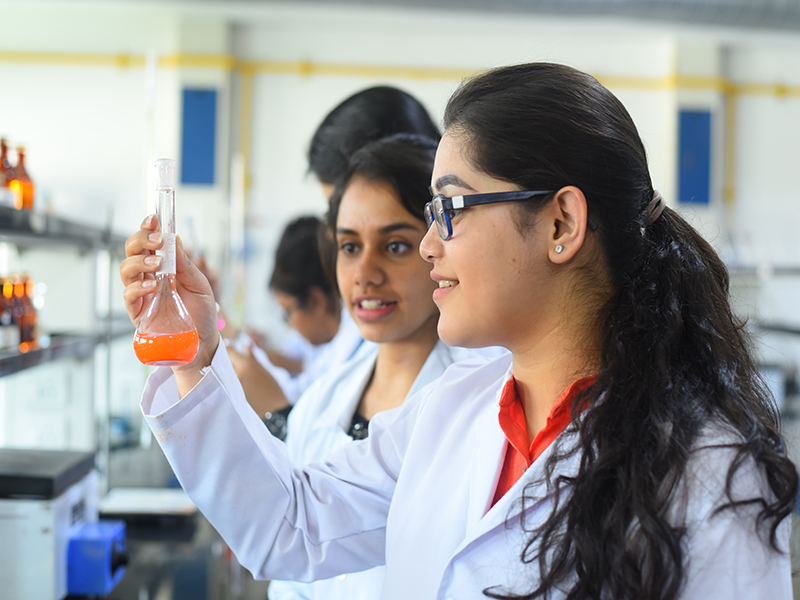
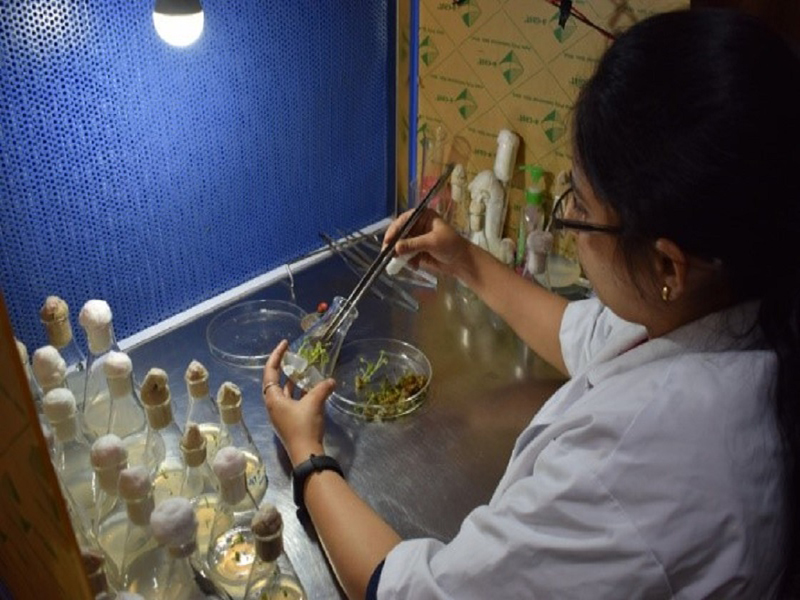
Biotechnology Labs
Controlled environment is provided to students to conduct experiments and tests on biological materials such as cells, proteins and DNA.
- Microbiology and Biochemistry Laboratory - Microbiology lab specializes in the study of microorganisms, including bacteria, viruses, fungi etc with common techniques such as PCR, sequencing, microscopy and immunobiological assays. Whereas biochemistry lab focuses on study and functions of biomolecules with common techniques such as chromatography, electrophoresis, spectroscopy, and enzymatic assays.
- Cancer Biology Laboratory -Dedicated for research on cancer by implementing different approaches to discover effective target and drugs to treat cancer.
- Tissue Engineering Laboratory –Promotes research on developing techniques to identify the reasoning to repair tissue injury by performing studies on cell lines in laboratory.
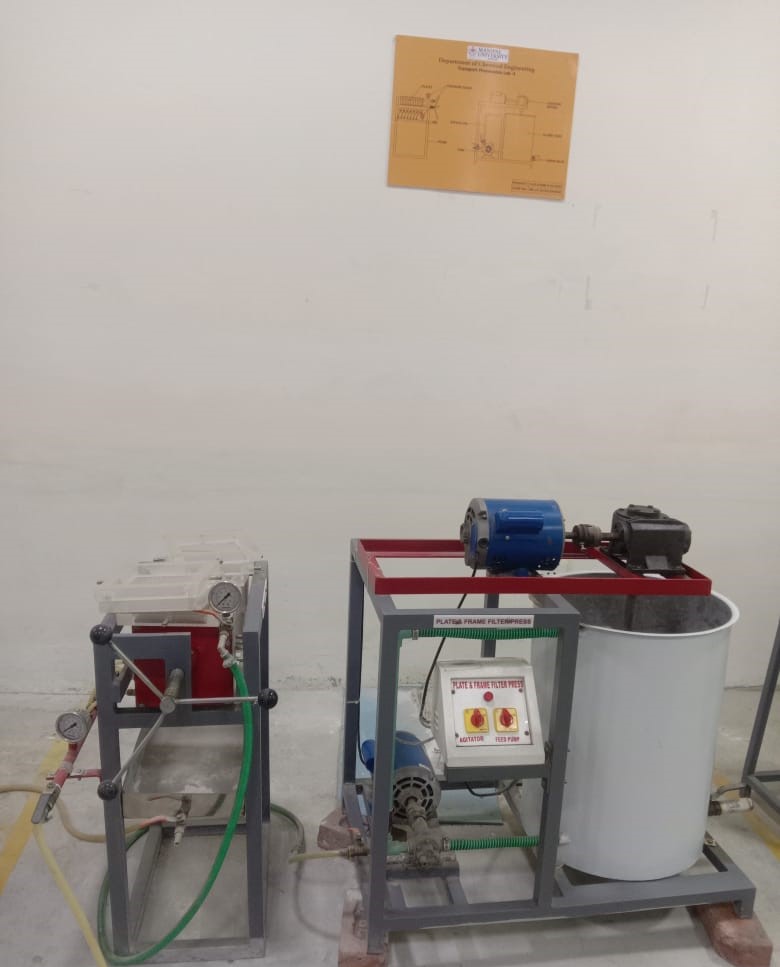
- Transport Phenomena Laboratory -A practical training is imparted on fluid flow, heat, and mass transfer operations to gain better insights of the process.
- MEMS Laboratory -This lab specializes in design, fabrication, and testing of micro and nanoscale devices that integrate mechanical, electrical, and optical components.
- Bioreaction and Bioprocess Engineering Laboratory - Students are trained to study the development of biological reactions and processes for a wide range of applications in a controlled environment.
- Biomaterials Laboratory -Promotes the biomaterials research. Properties and behavior of different biomaterials such as biocompatibility, degradation rates, and mechanical strengths are explored.
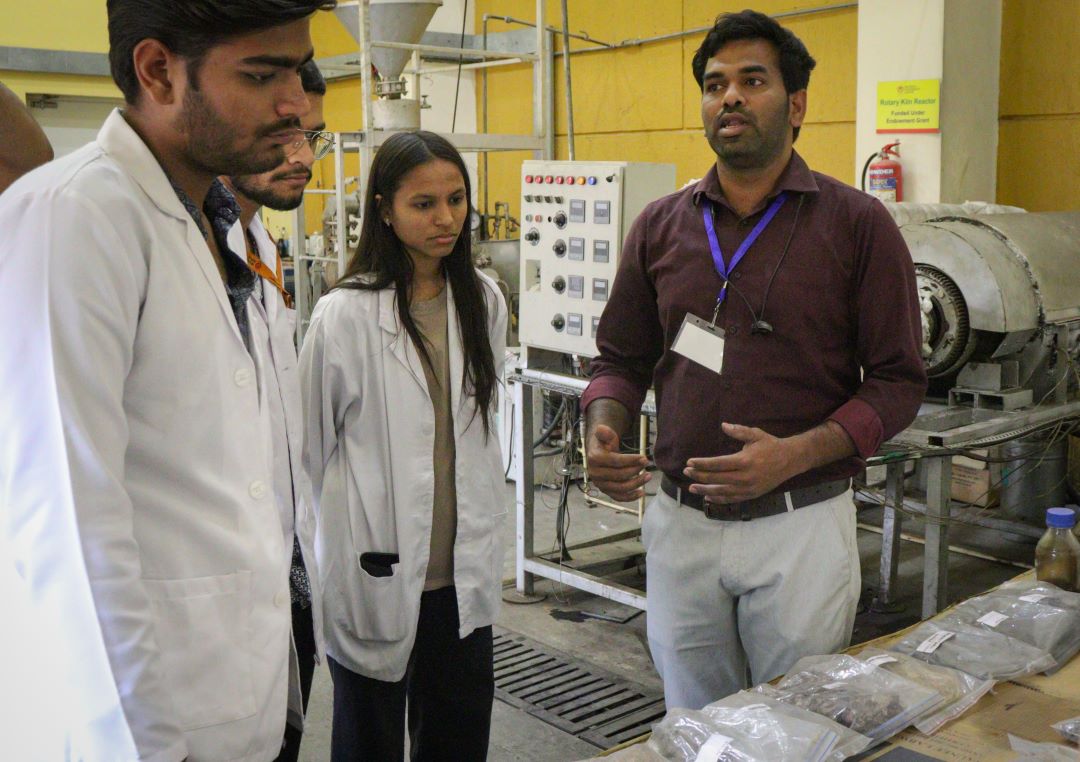
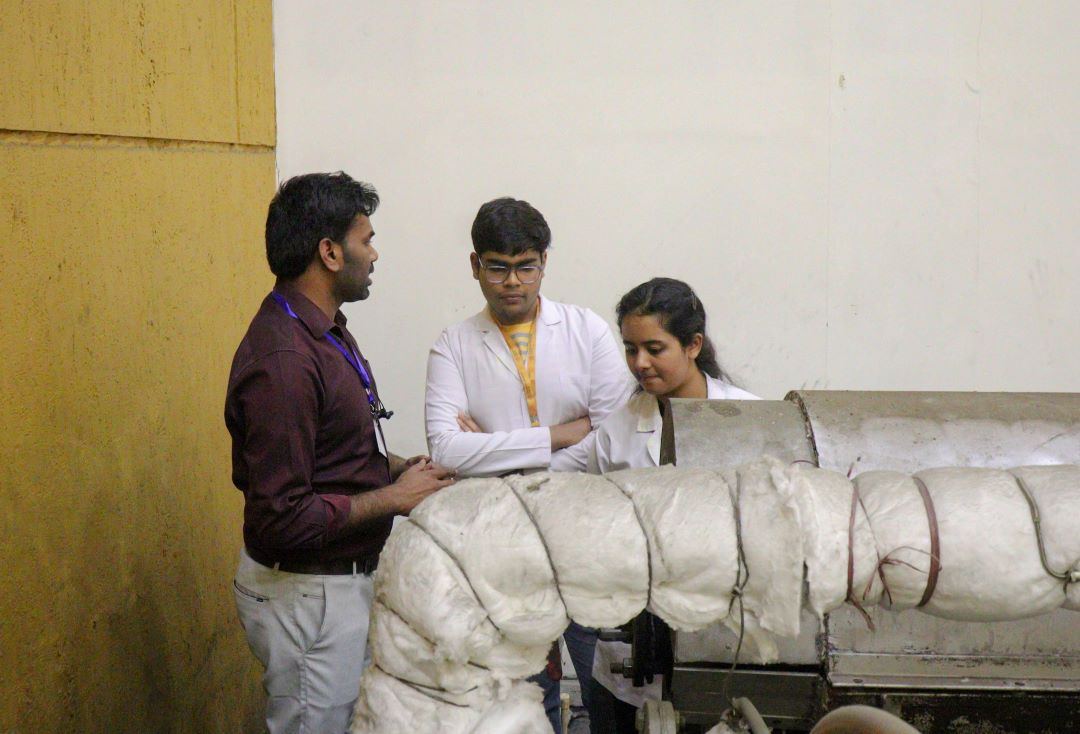
- Waste to Resources Laboratory –Research lab to convert waste biomass and plastic waste into value added products. Waste materials could be of different origins such as municipal solid wastes, biomass or industrial waste. The techniques for conversion to energy could be pyrolysis, gasification or anaerobic digestion.
- MEMS Laboratory –This lab specializes in design, fabrication, and testing of micro and nanoscale devices that integrate mechanical, electrical, and optical components.
- Advanced Computer-aided design and process simulation Laboratory –High- performance computing systems to perform complex modelling, simulation and analysis tasks in various fields such as engineering, physics, chemistry and biology.
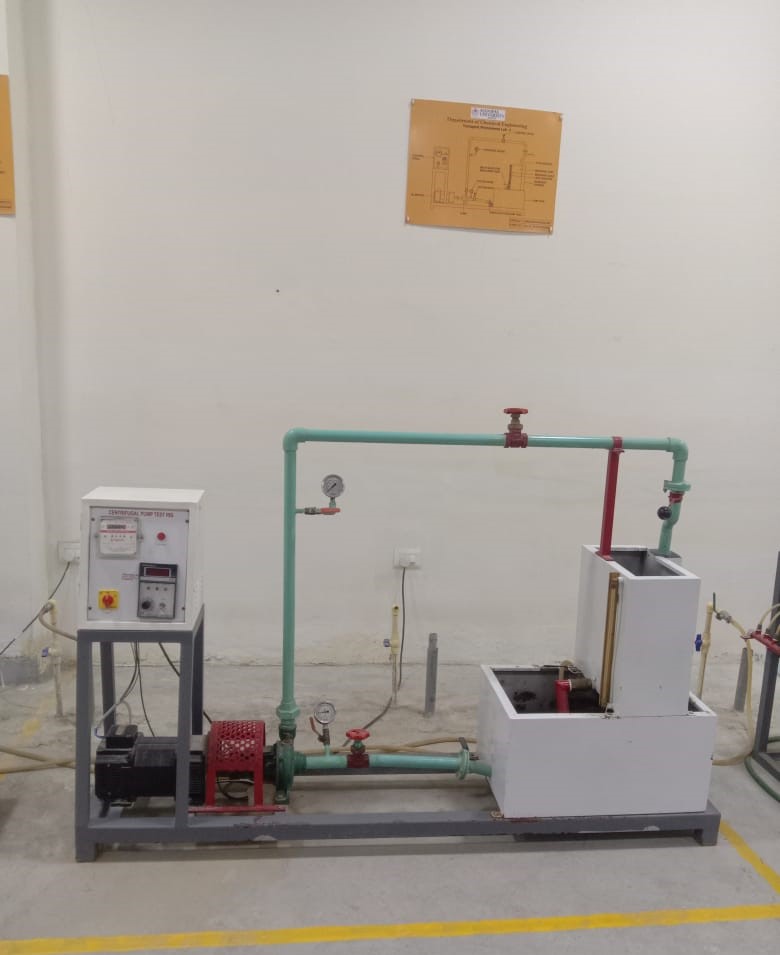
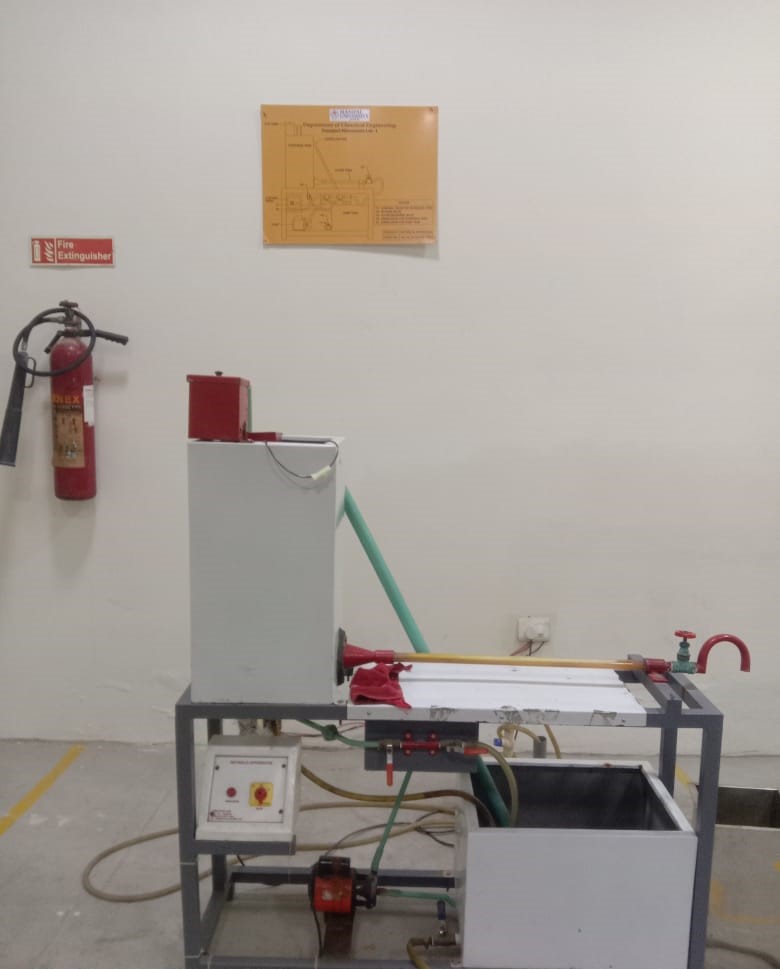
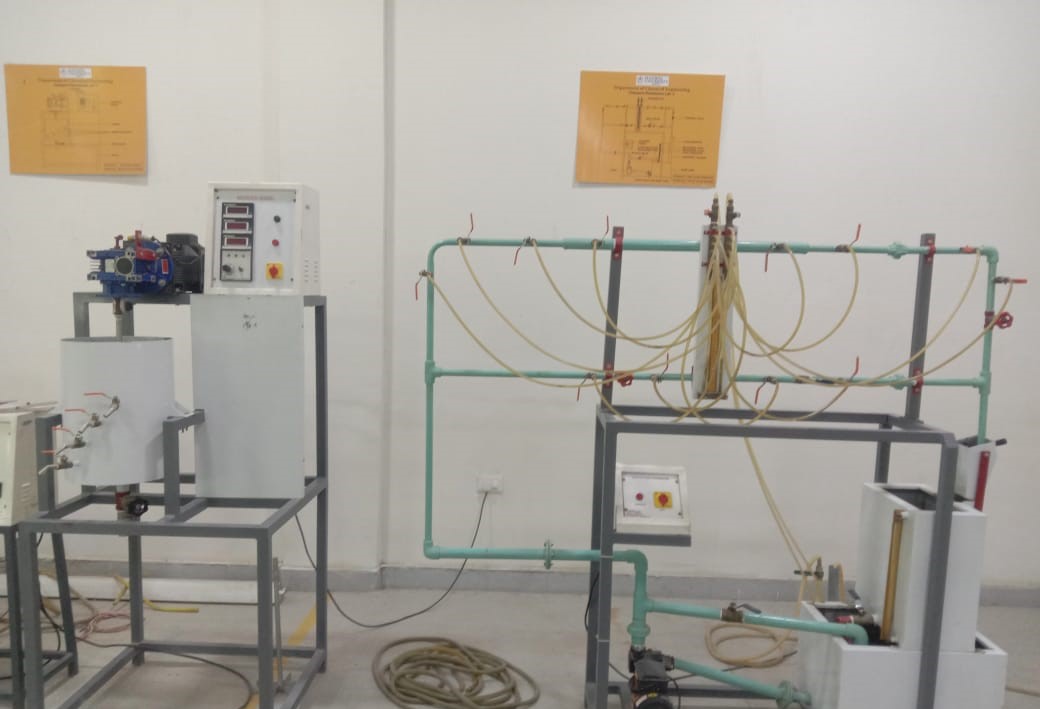
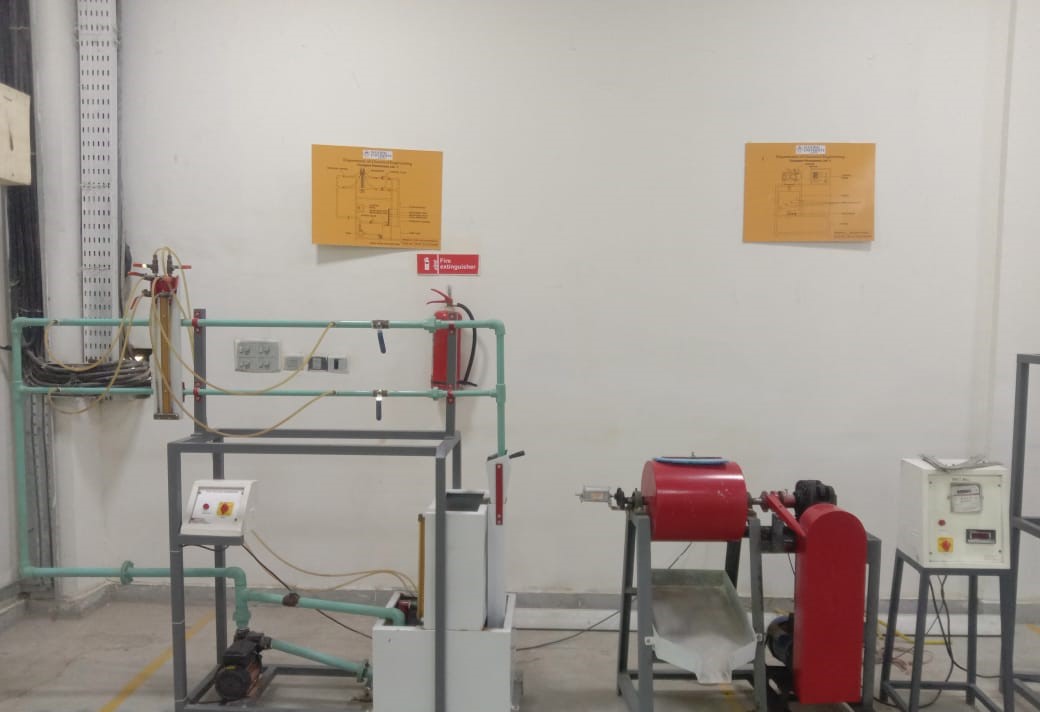
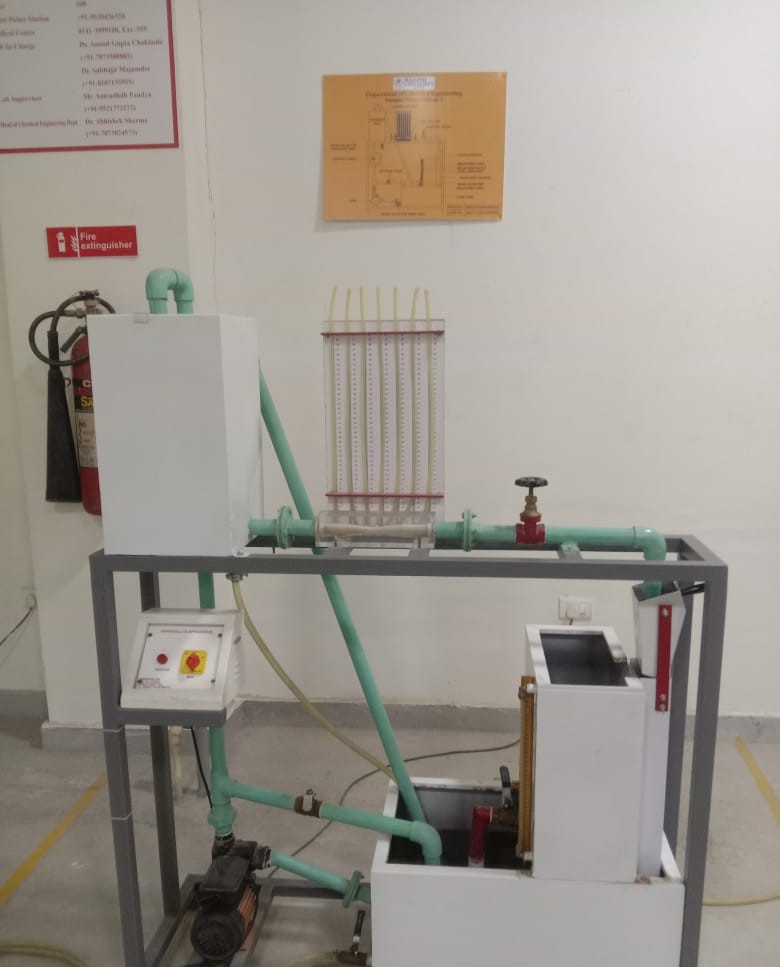
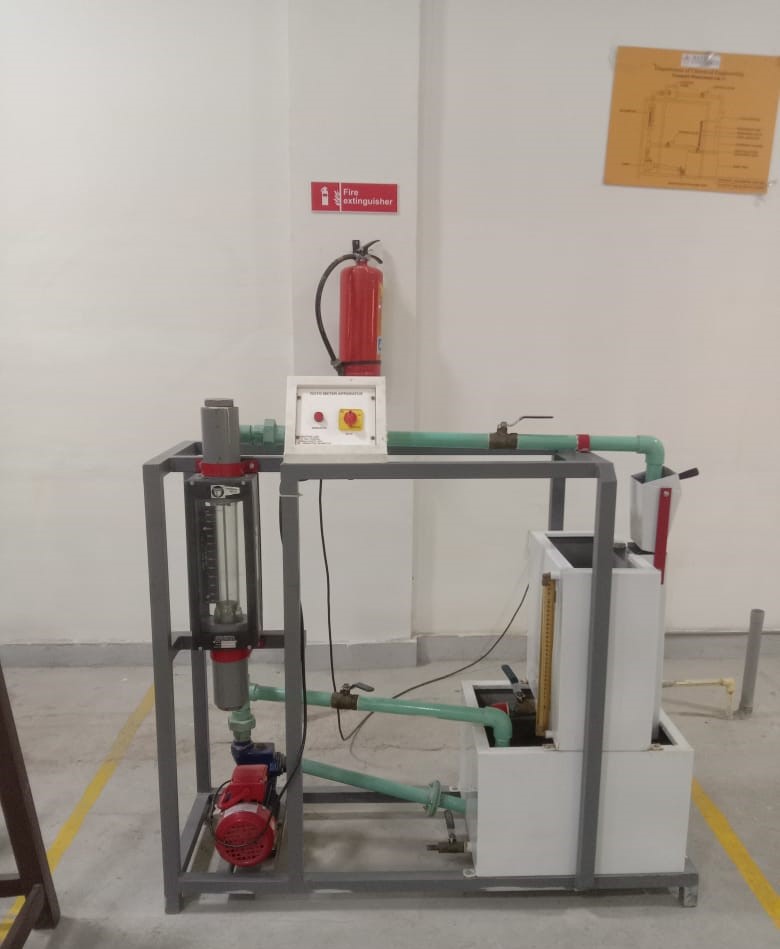
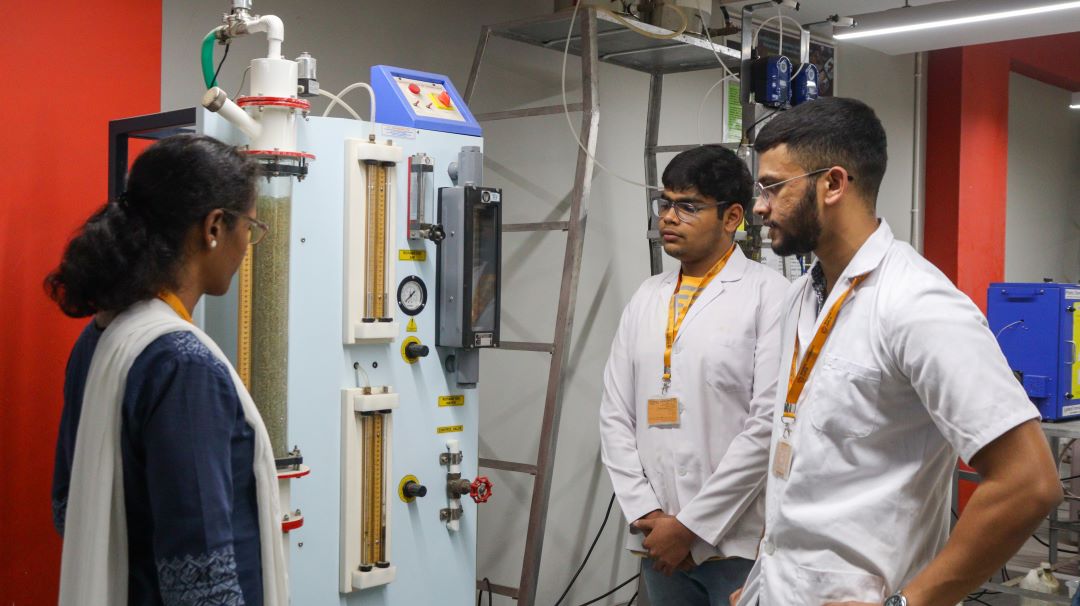
Fluid Mechanics Lab
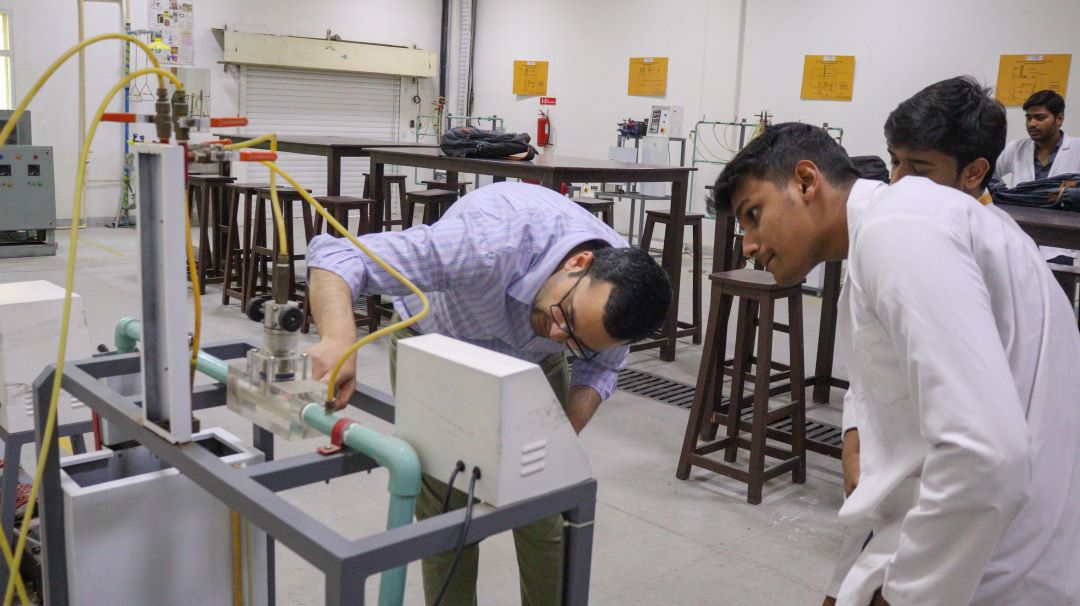
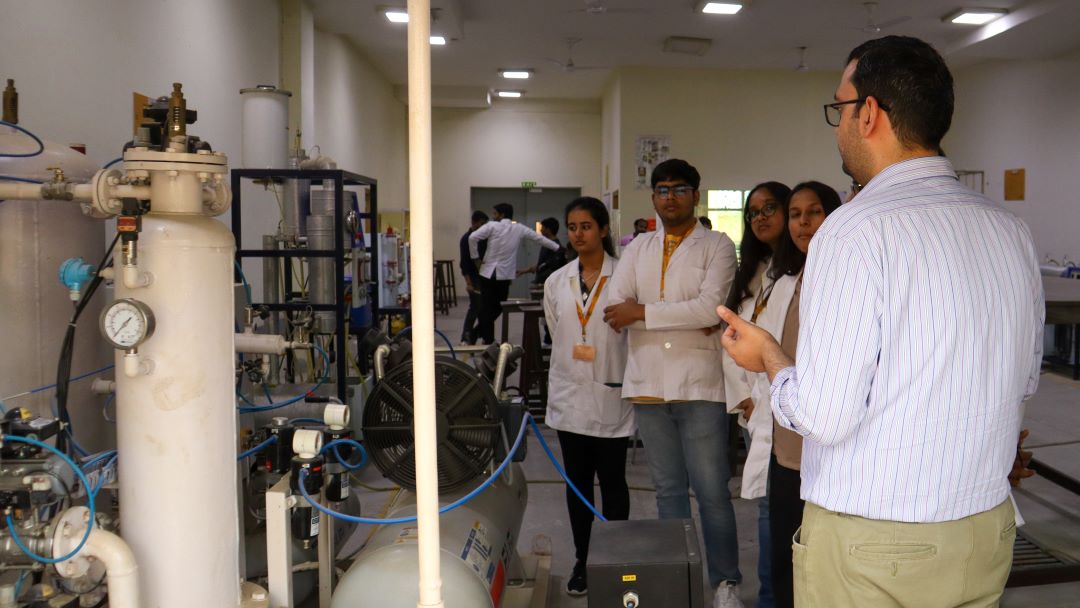
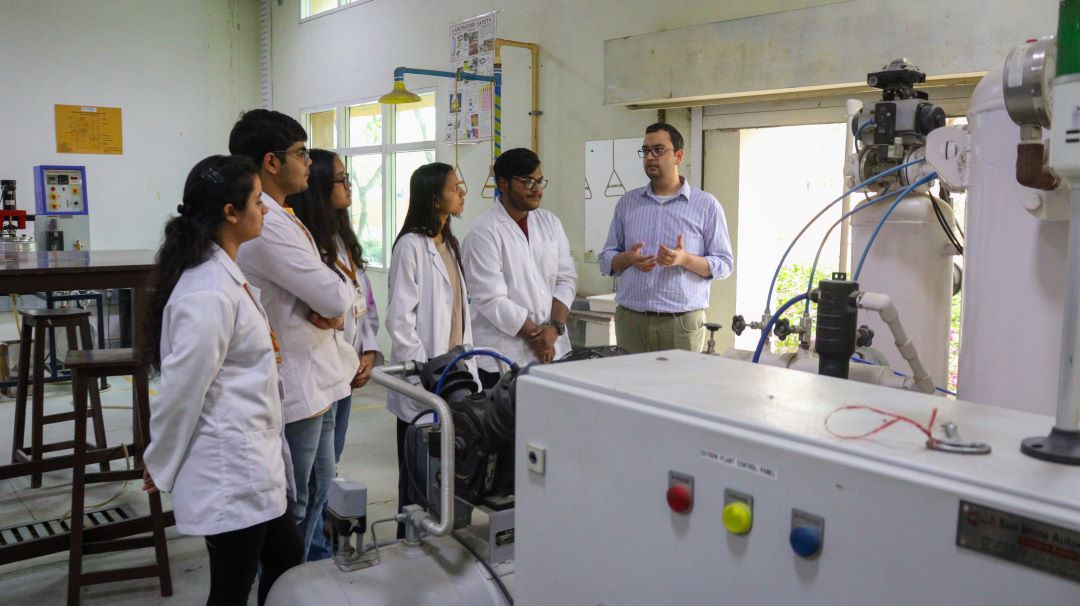
A fluid mechanics lab is a dedicated space within a university where experiments and investigations related to the behavior and properties of fluids are conducted. In this lab, researchers, students, and technicians can explore various aspects of fluid mechanics, which is the study of how fluids (liquids and gases) behave under different conditions. The lab is typically equipped with a range of specialized instruments, apparatus, and measurement tools specific to fluid mechanics experiments.
Some common equipment found in a fluid mechanics lab may include:
- Flow measurement devices: Instruments such as flowmeters, pitot tubes, and rotameters are used to measure and analyze the flow rate, velocity, and pressure of fluids.
- Pump and piping systems: These are used to generate flow and transport fluids within the lab setup. Pumps, valves, pipes, and fittings are commonly used components.
- Hydraulics and hydrodynamics setups: These setups allow for investigations into fluid behavior and properties under different conditions, such as flow through pipes, channels, or open channels.
- Fluid properties measurement apparatus: Instruments like manometers, viscometers, and thermometers are used to measure properties like pressure, viscosity, and temperature of fluids.
- Turbulence and boundary layer studies: Specialized setups, such as open jet wind tunnels or water channels, are used to investigate phenomena related to turbulence, boundary layers, and drag forces.
- Fluid dynamics experiments: These setups allow researchers to study fluid dynamics phenomena, such as Bernoulli's principle, flow around objects, or fluid forces acting on submerged bodies. The lab may also include computational resources for numerical simulations and modeling to complement the experimental work. Safety measures, like proper ventilation, emergency response equipment, and safety protocols, are in place to ensure a secure working environment. In a fluid mechanics lab, researchers and students can conduct various experiments to understand and analyze fluid behavior, flow patterns, and the principles governing fluid mechanics. The results of these experiments can contribute to advancements in fields such as engineering, aerodynamics, hydrodynamics, environmental sciences, and other areas where an understanding of fluid behavior is essential.
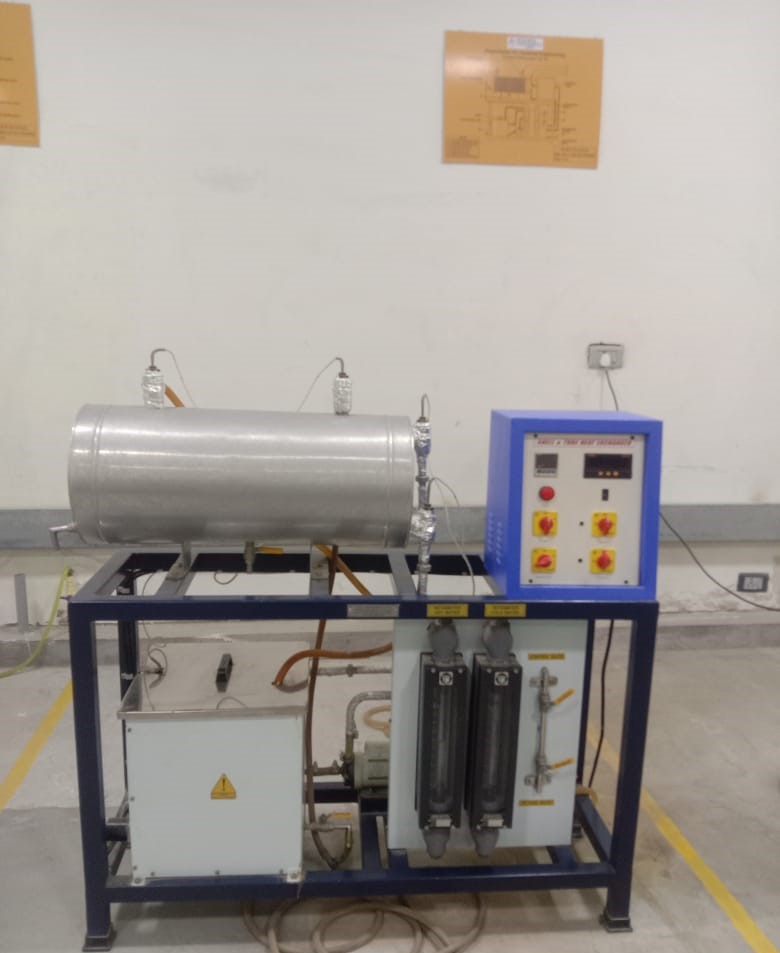
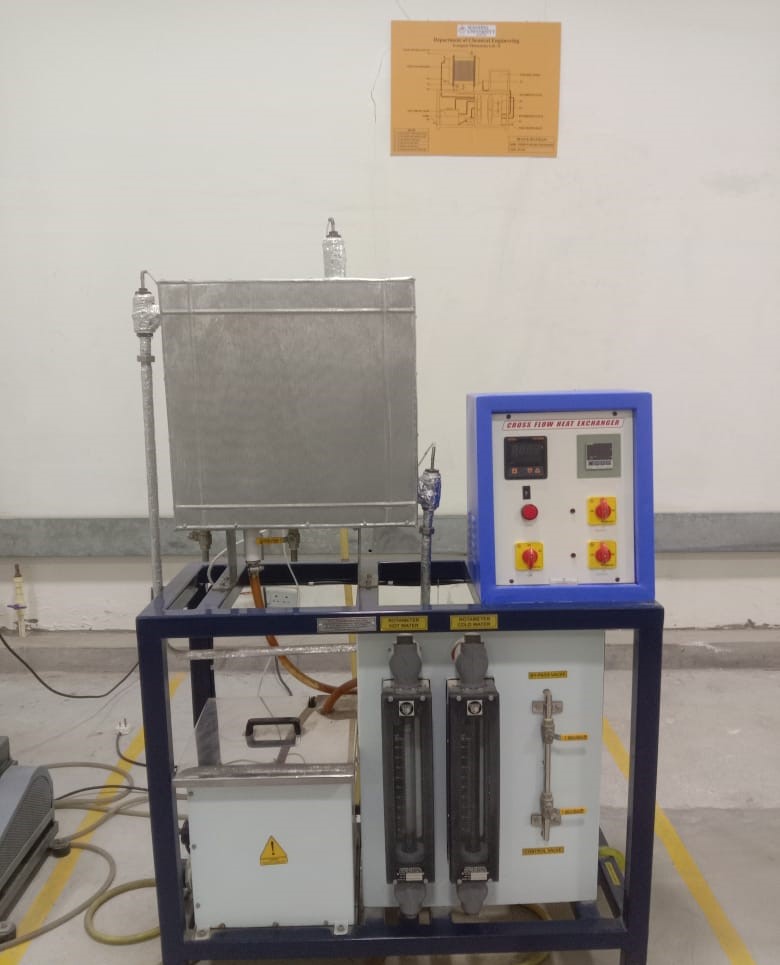
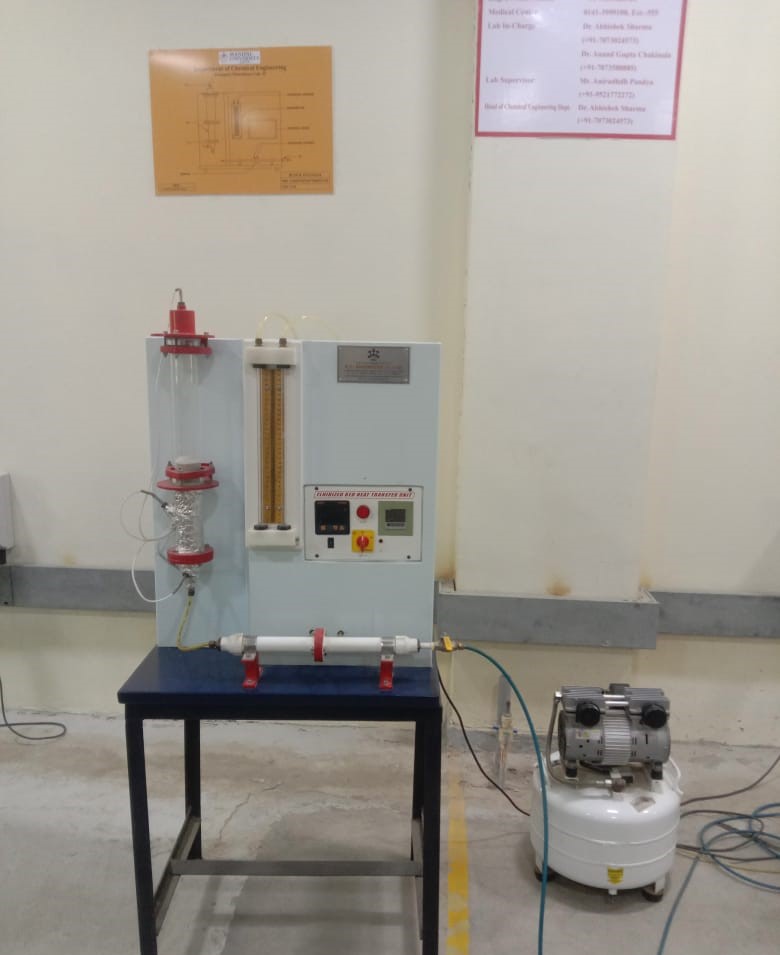
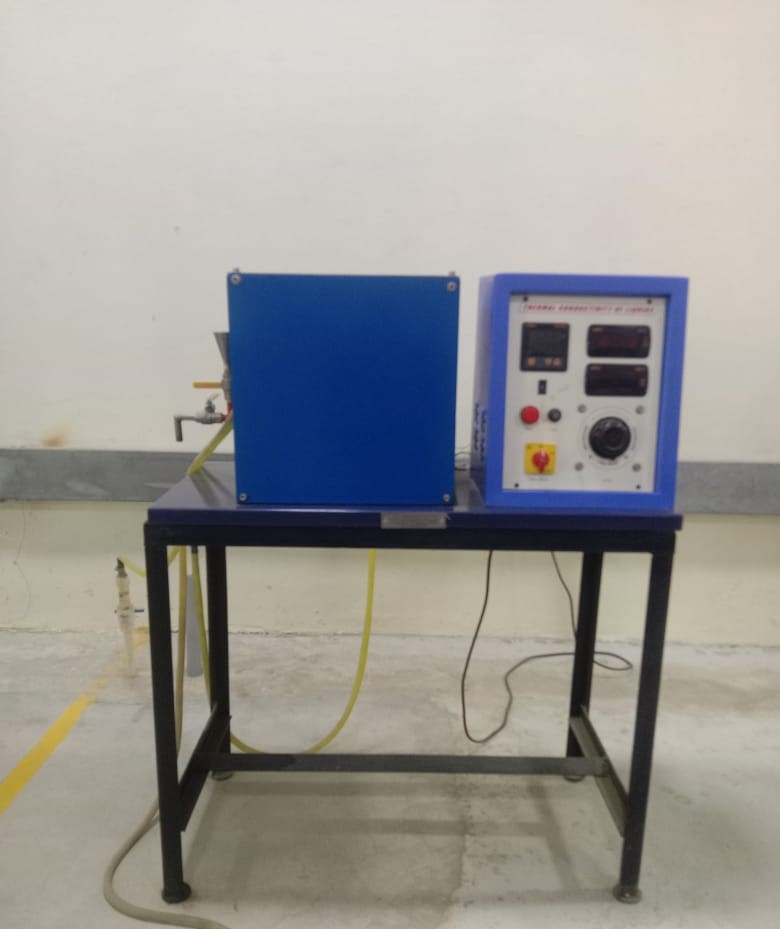
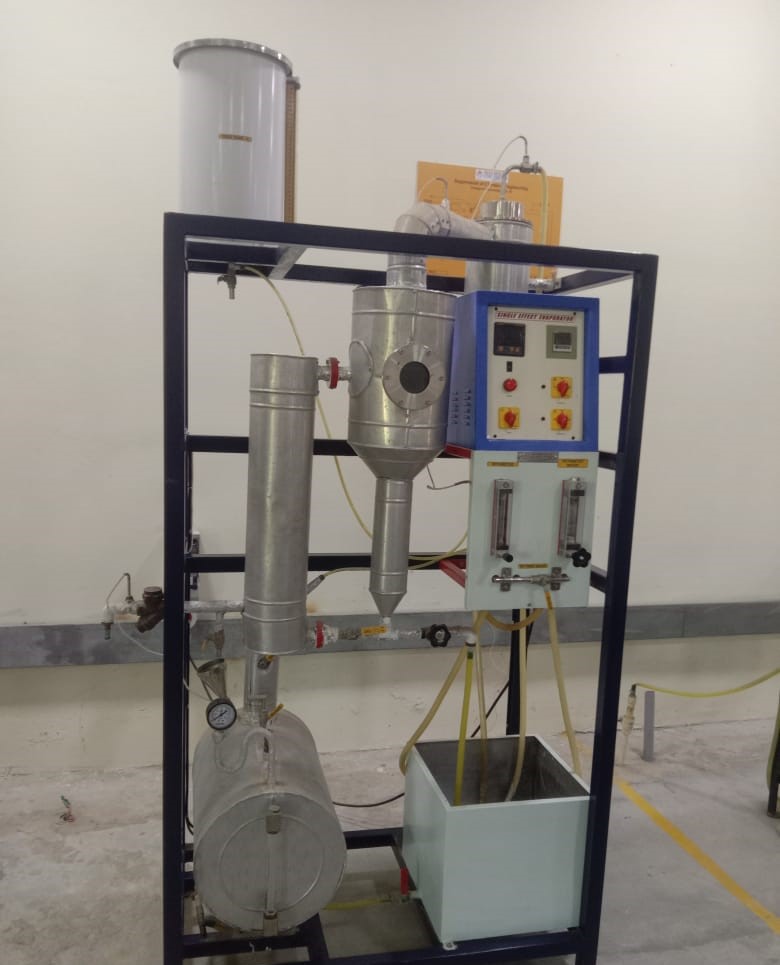
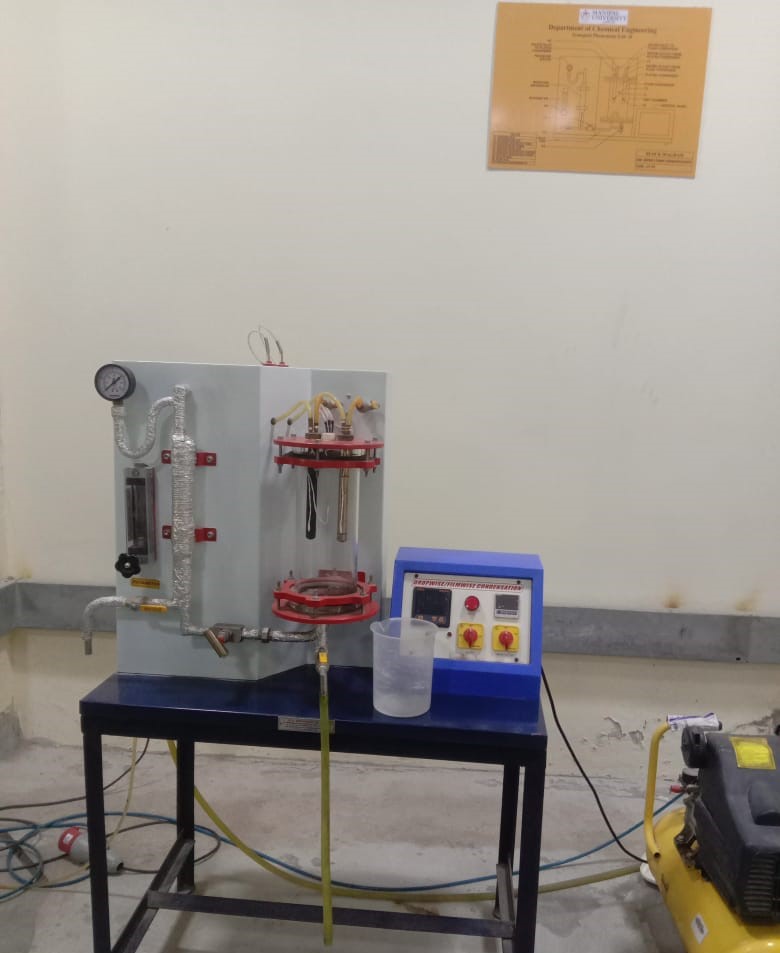
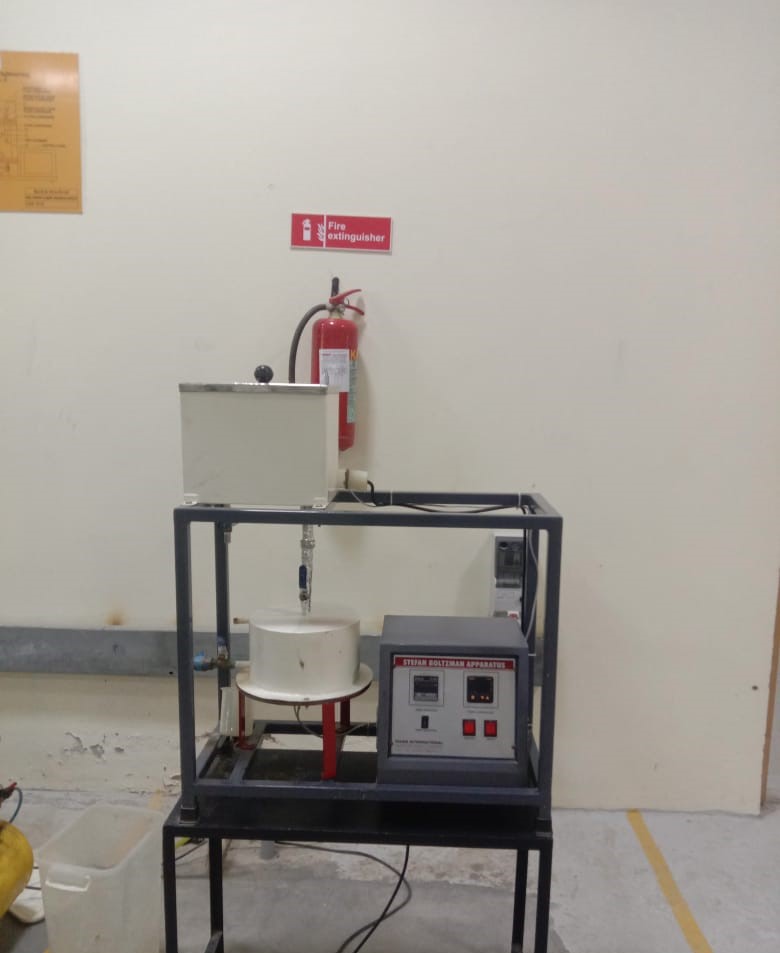
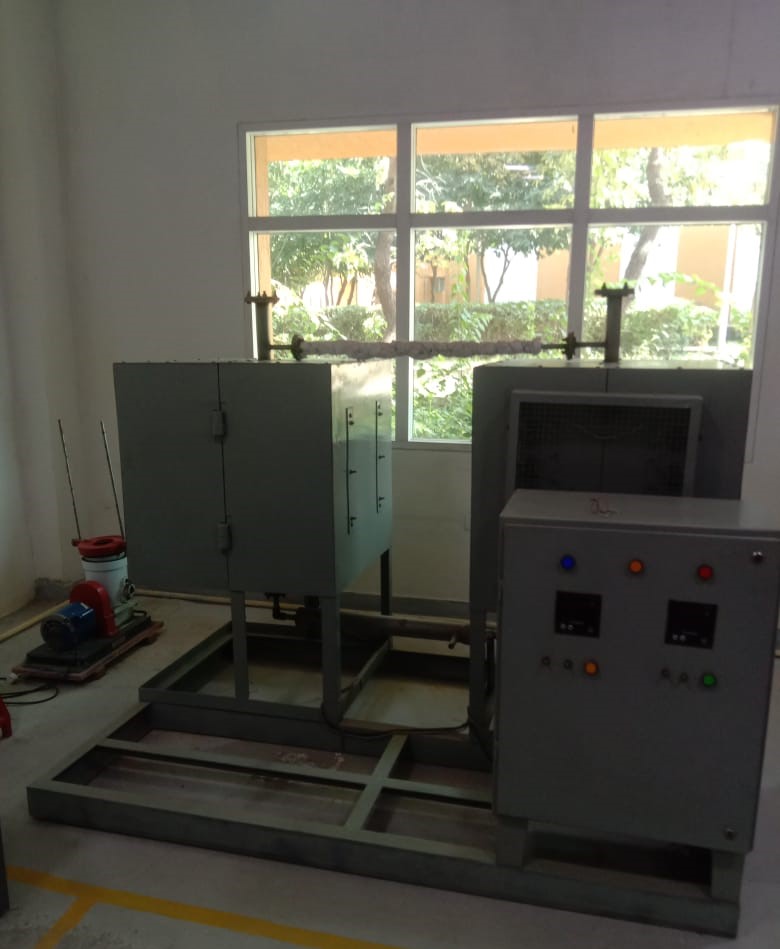
TP-2 (Heat transfer) lab
A heat transfer lab is a dedicated facility within a university where experiments and investigations related to the transfer of heat between different media or systems are conducted. This lab provides researchers, students, and technicians with the necessary tools and equipment to study the principles and applications of heat transfer. The lab is typically equipped with specialized instruments, apparatus, and measurement tools specific to heat transfer experiments.
Some common equipment found in a heat transfer lab may include
- Heat exchangers: These are devices used to transfer heat between two or more fluids, such as shell-and-tube heat exchangers or plate heat exchangers.
- Calorimeters: These instruments are used to measure the amount of heat transfer in various processes, such as the heat capacity of materials or the energy released during a chemical reaction.
- Heat transfer surfaces: Different types of surfaces, such as fins or extended surfaces, can be used to investigate the effect of surface area on heat transfer.
- Thermocouples and temperature sensors: These devices are used to measure temperatures accurately at different points within the experimental setup. They allow researchers to analyze heat transfer rates and temperature distributions.
- Conduction, convection, and radiation setups: Experimental setups resembling real-life scenarios are used to study heat transfer mechanisms like conduction (through solids), convection (through fluids), and radiation (through electromagnetic waves).
- Thermal conductivity measurement apparatus: Instruments such as the guarded hot plate instrument or the thermal conductivity probe help determine the thermal conductivity of materials.
- Heat transfer analysis software: Computational resources may also be available for numerical simulations and modeling of heat transfer phenomena, allowing researchers to complement experimental work with simulations. Safety measures, such as proper ventilation, necessary Personal Protective Equipment (PPE), emergency response equipment, and adherence to safety protocols, are in place to ensure a safe working environment. In a heat transfer lab, researchers and students can conduct experiments and analyze heat transfer in various scenarios, such as natural or forced convection, conduction in solids, heat transfer through composite structures, or radiation heat transfer. The results of these experiments contribute to the understanding and optimization of heat transfer processes in engineering, material science, renewable energy, thermal management systems, and other related fields.
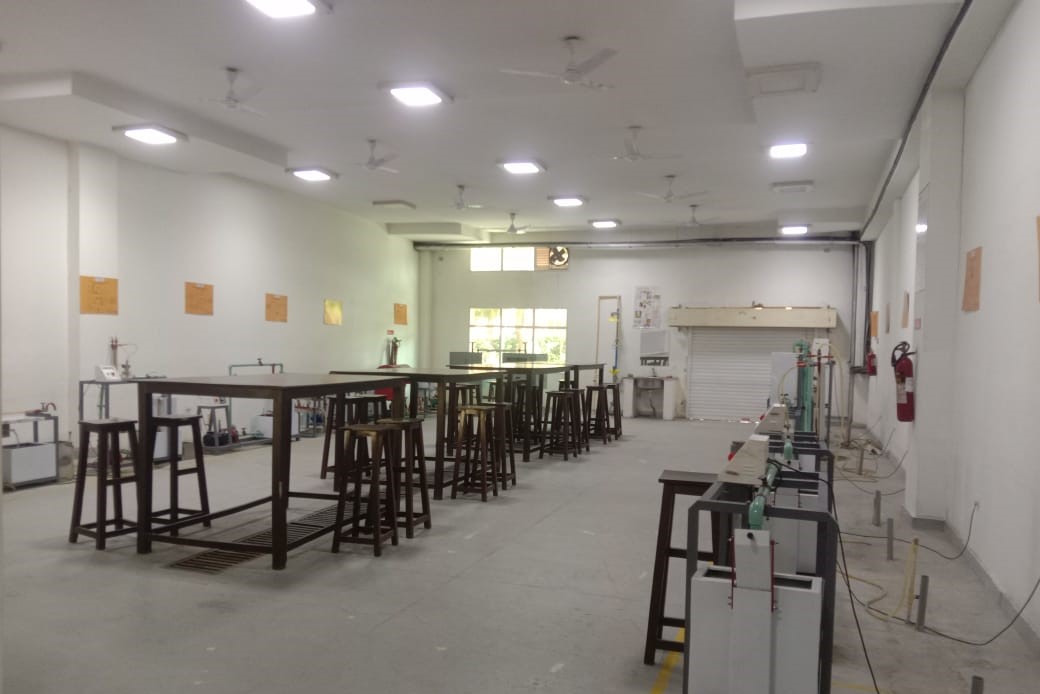
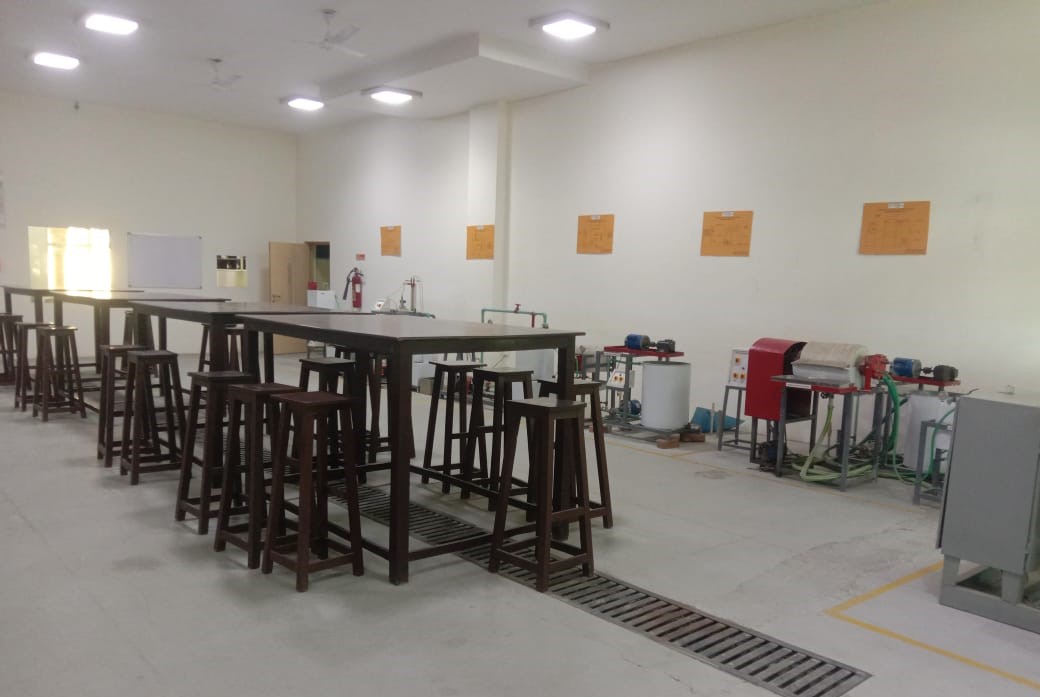
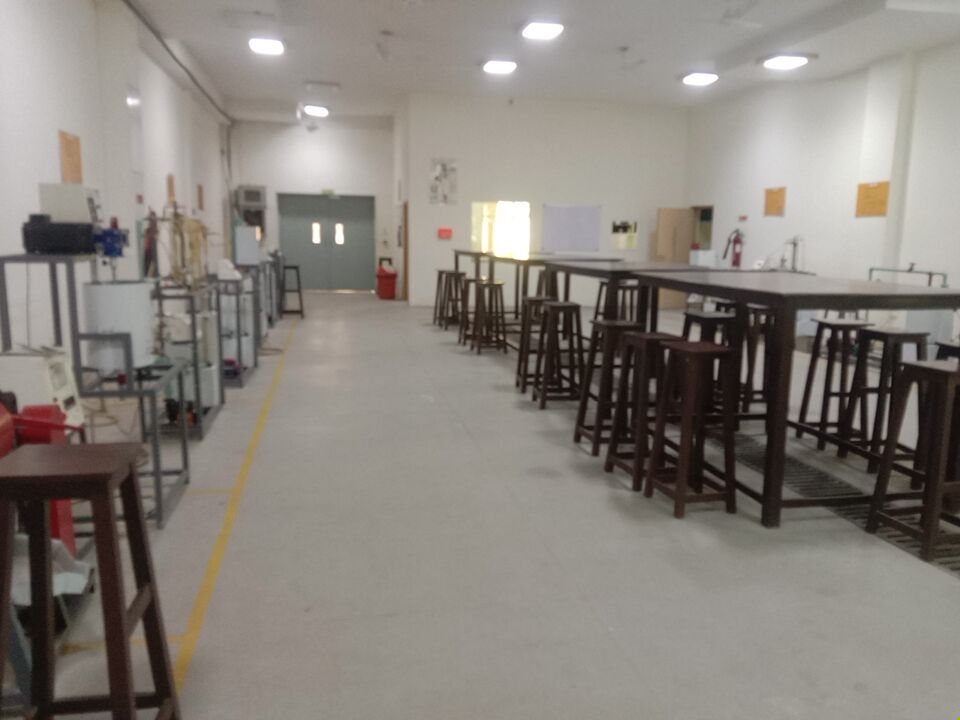
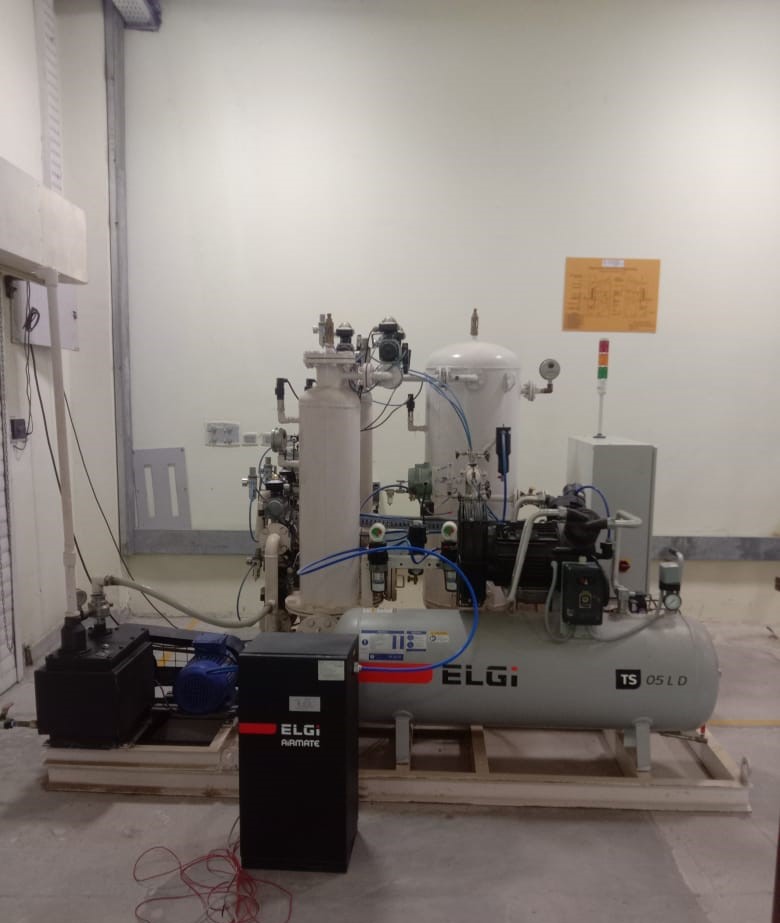
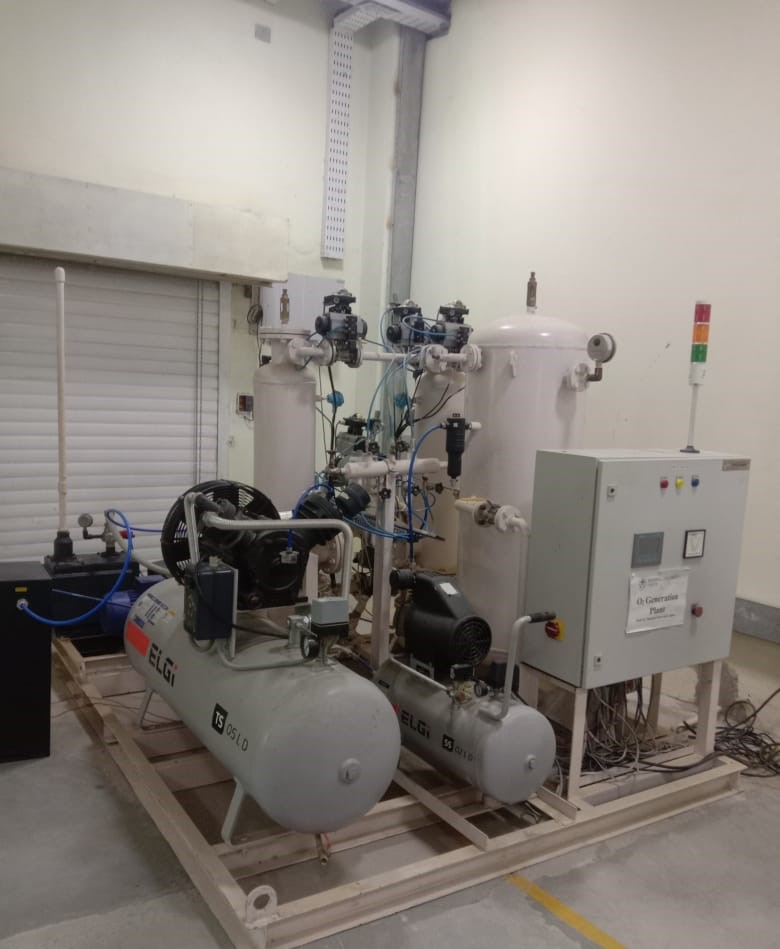
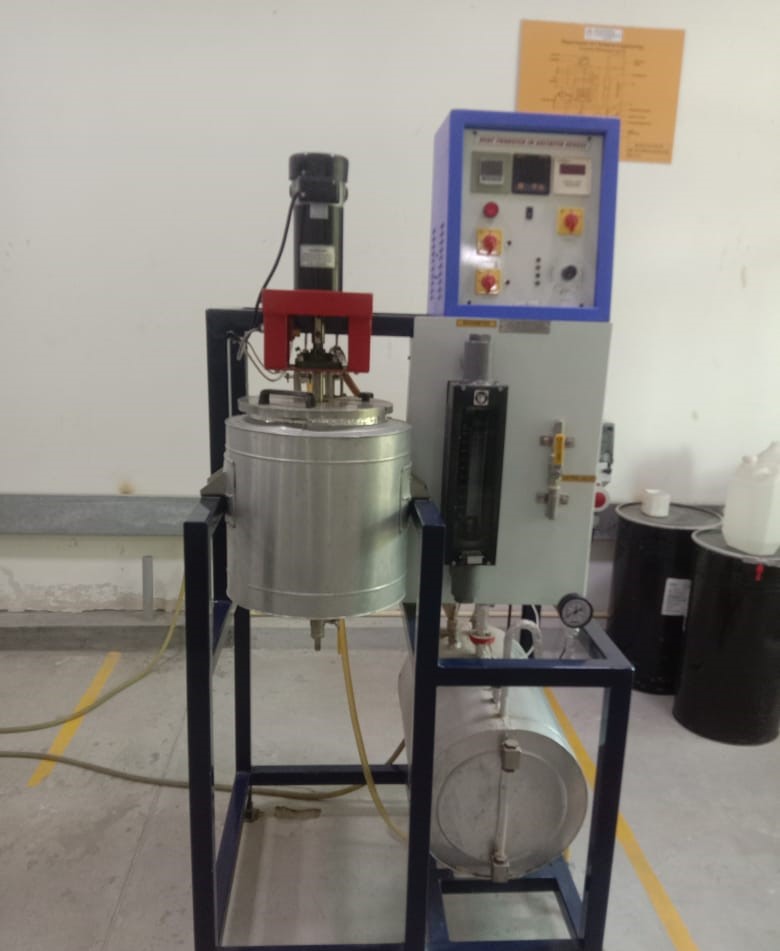
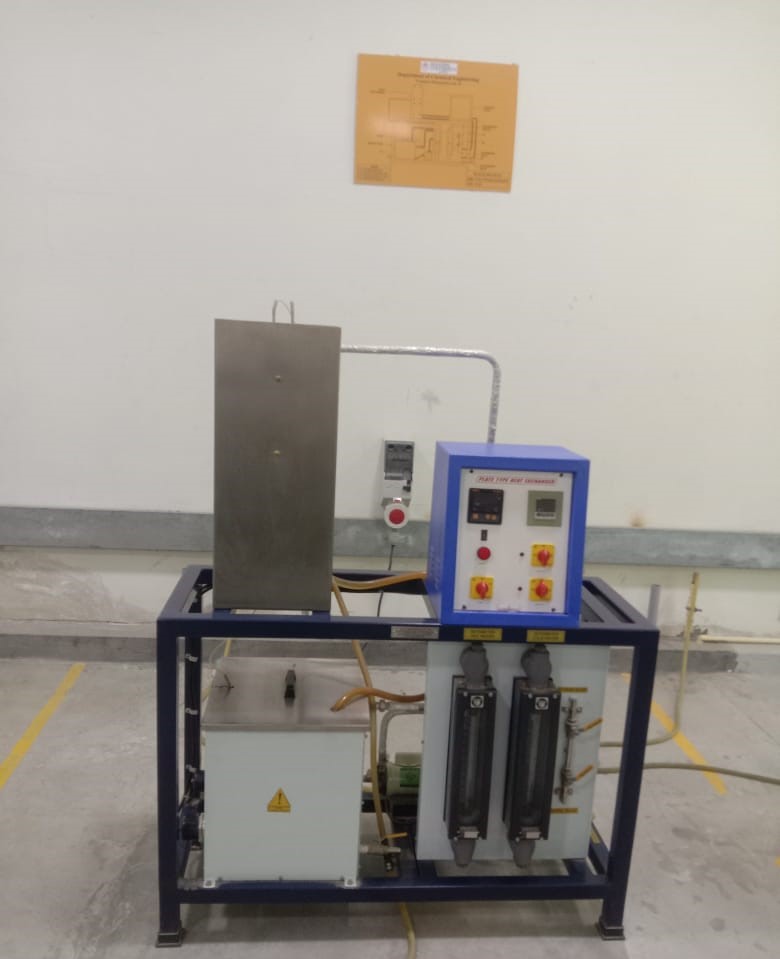
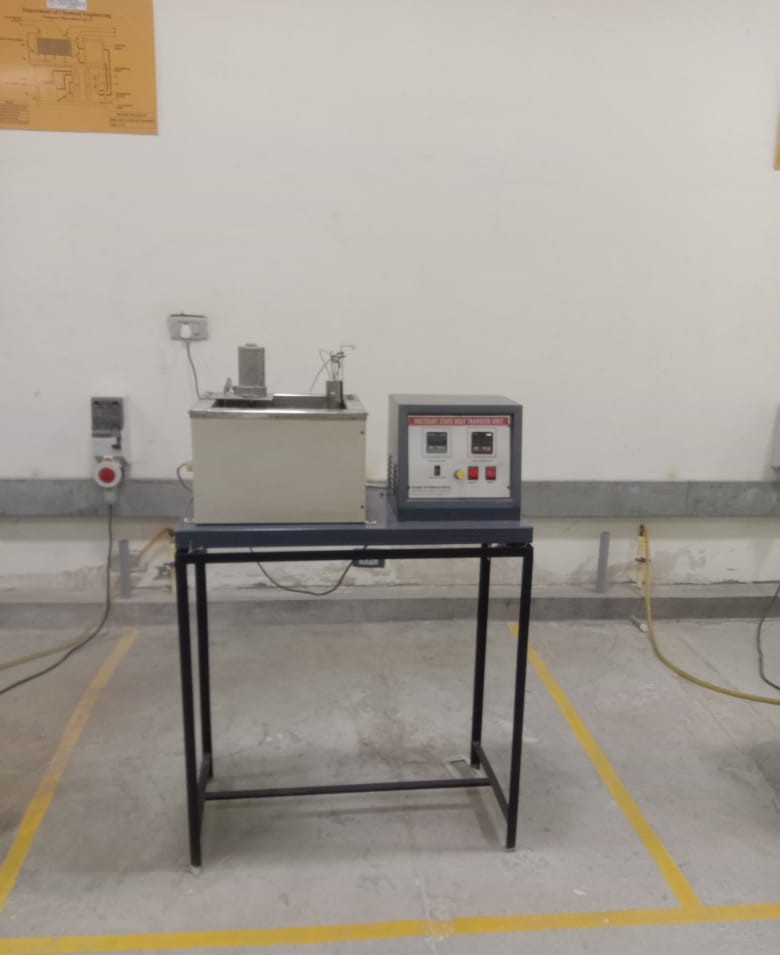
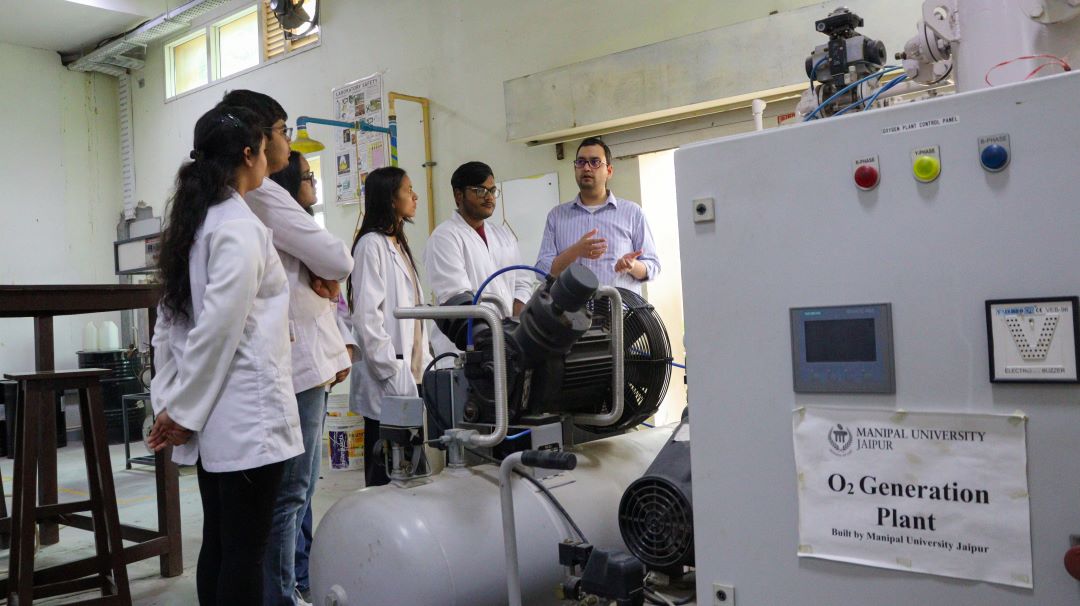
TP-3 (Mass transfer) lab
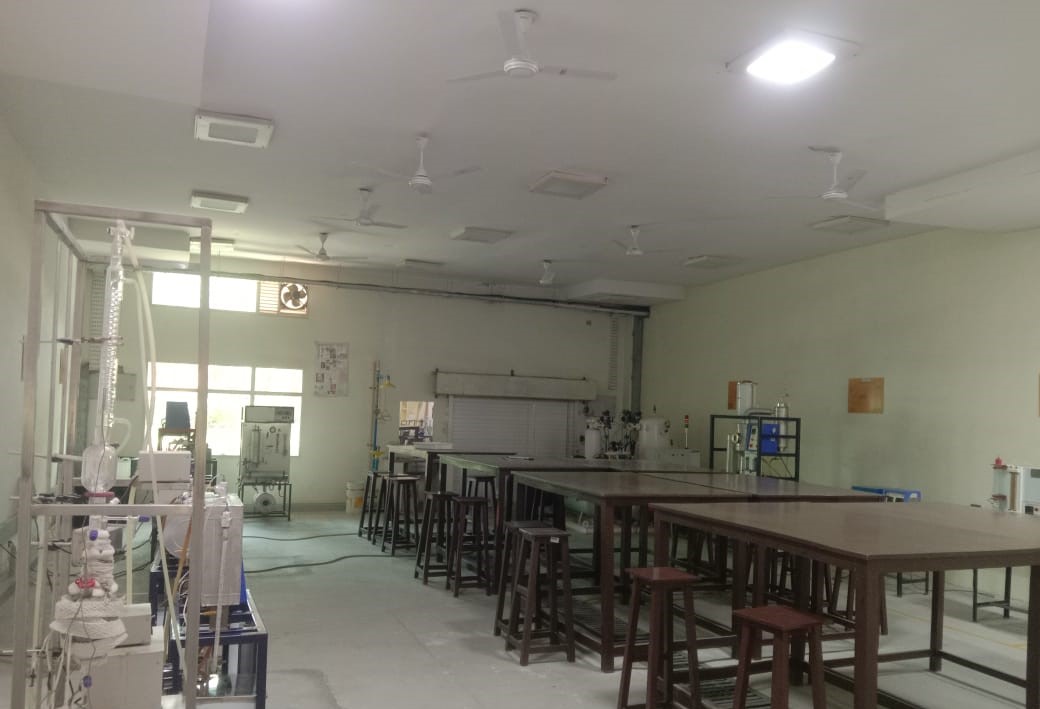
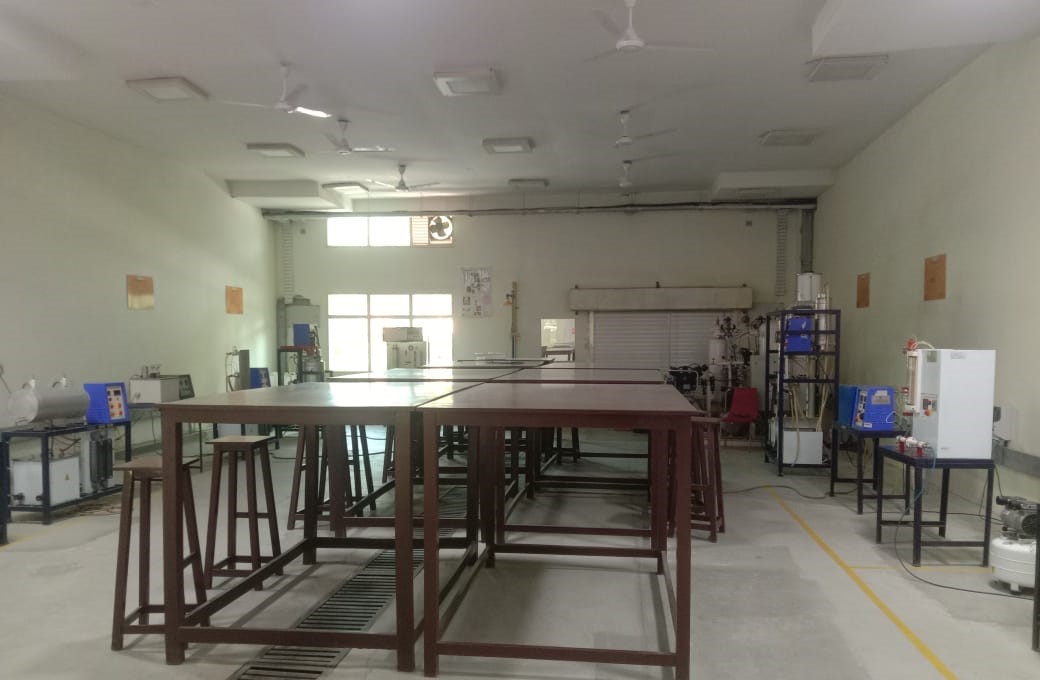
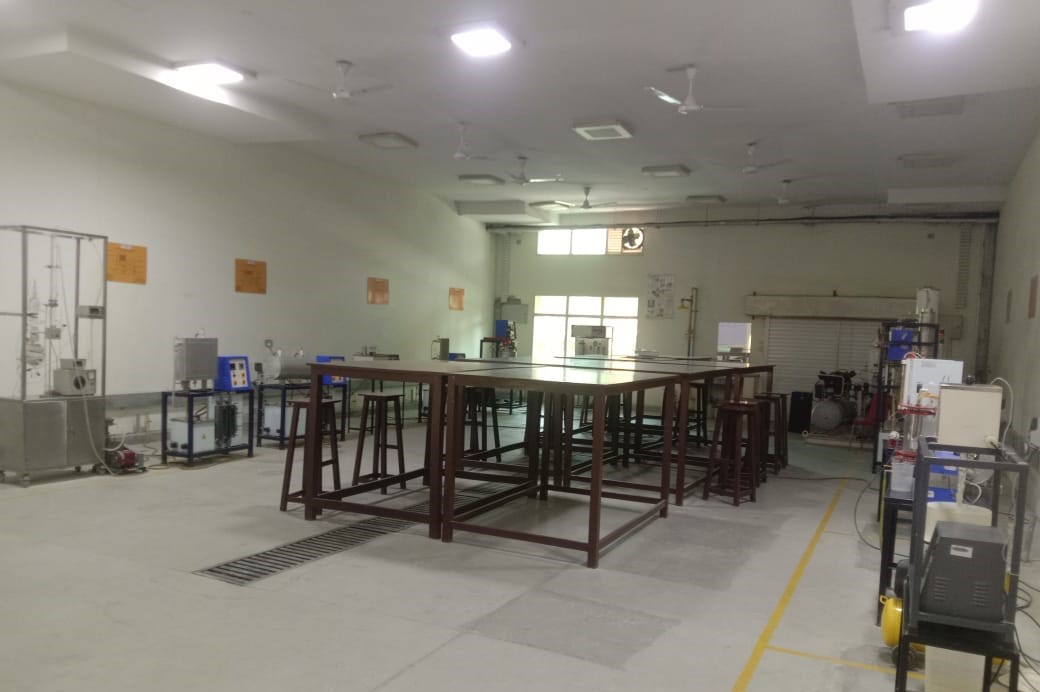
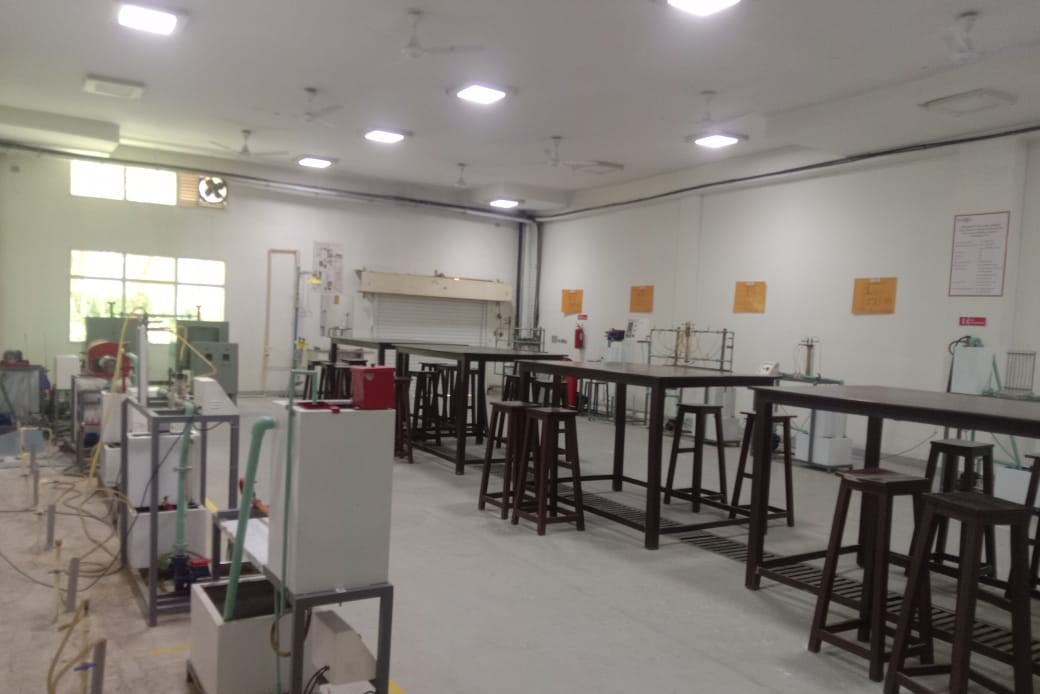
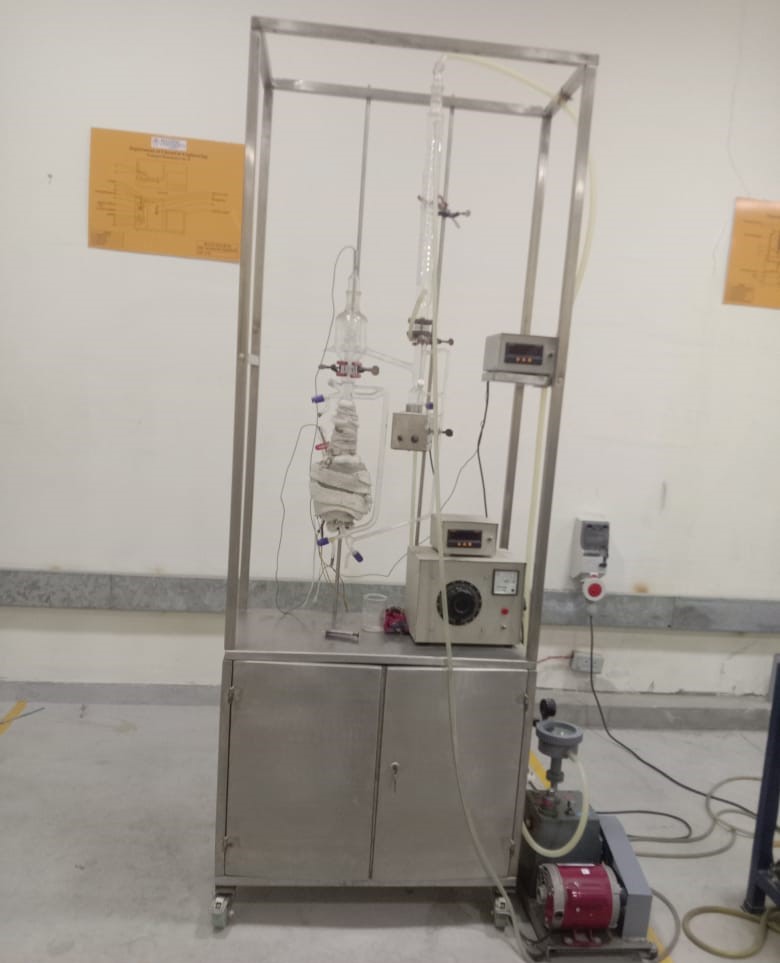
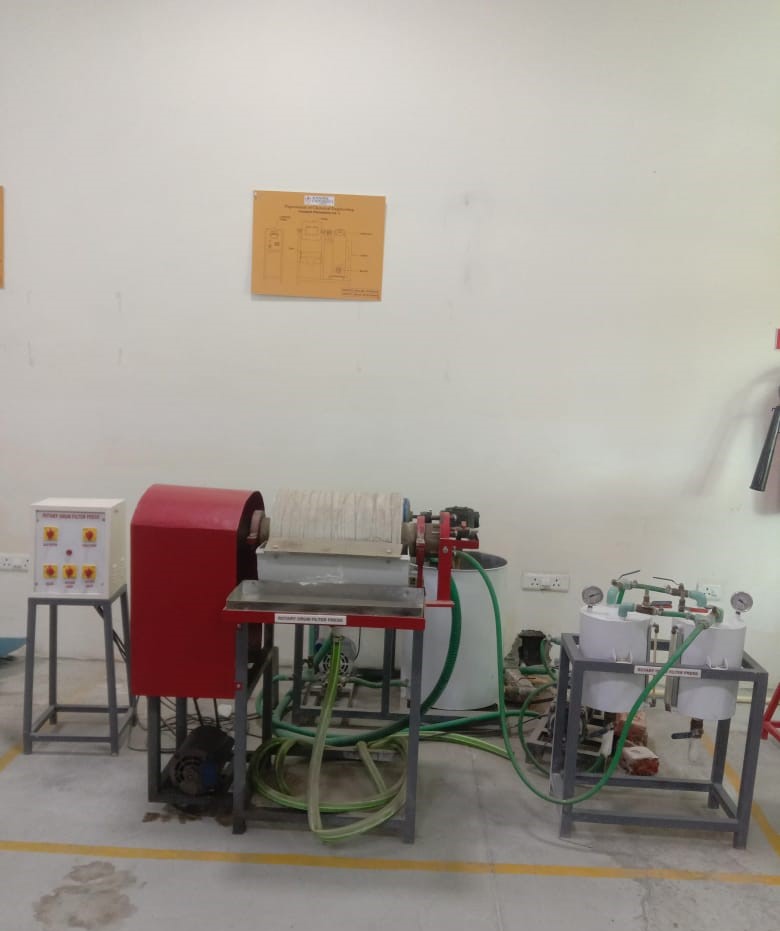
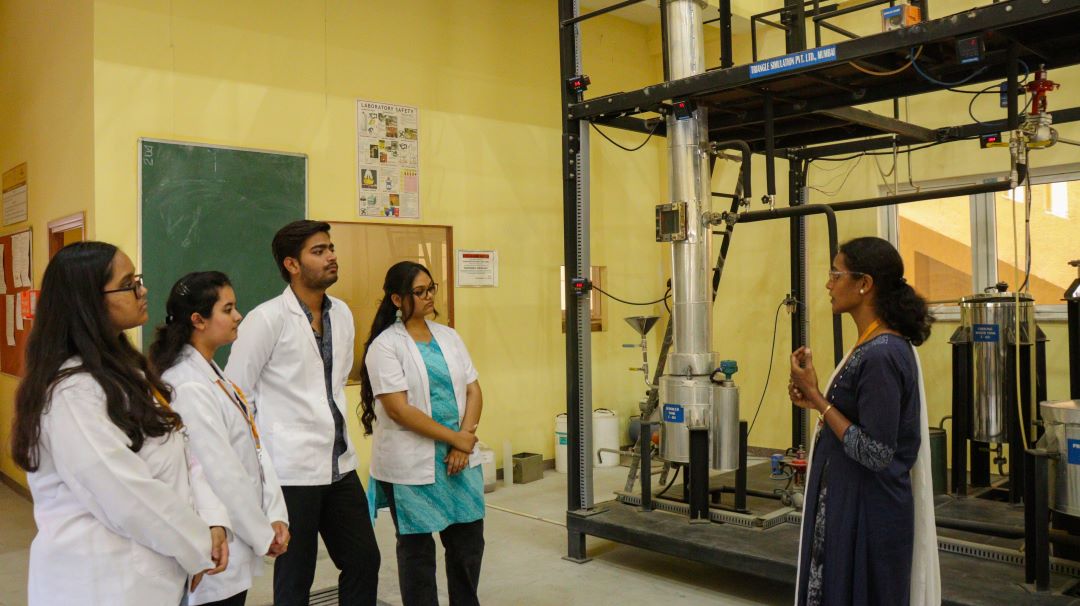
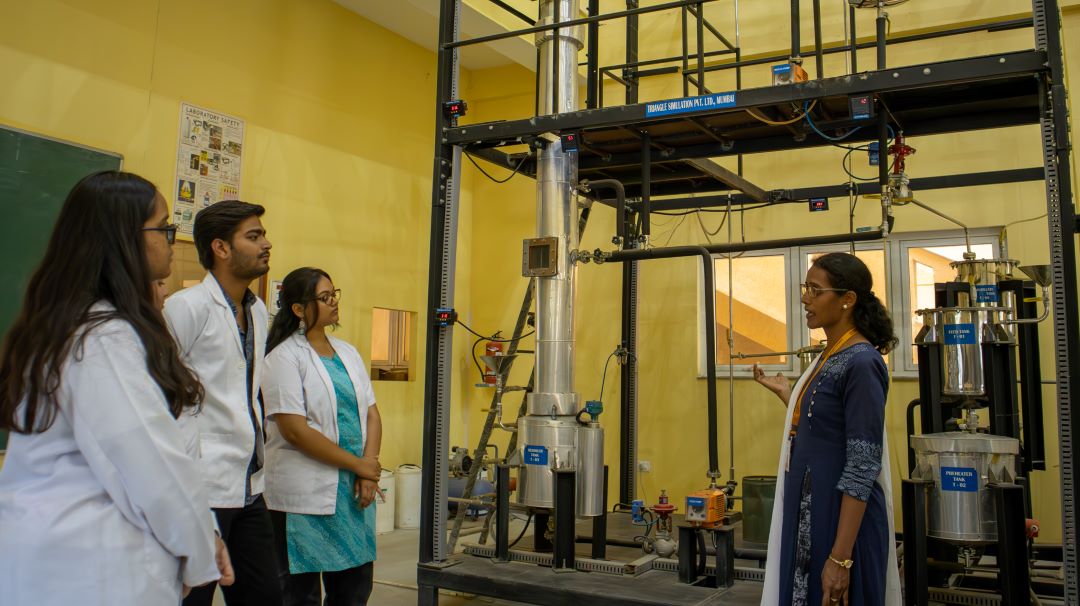
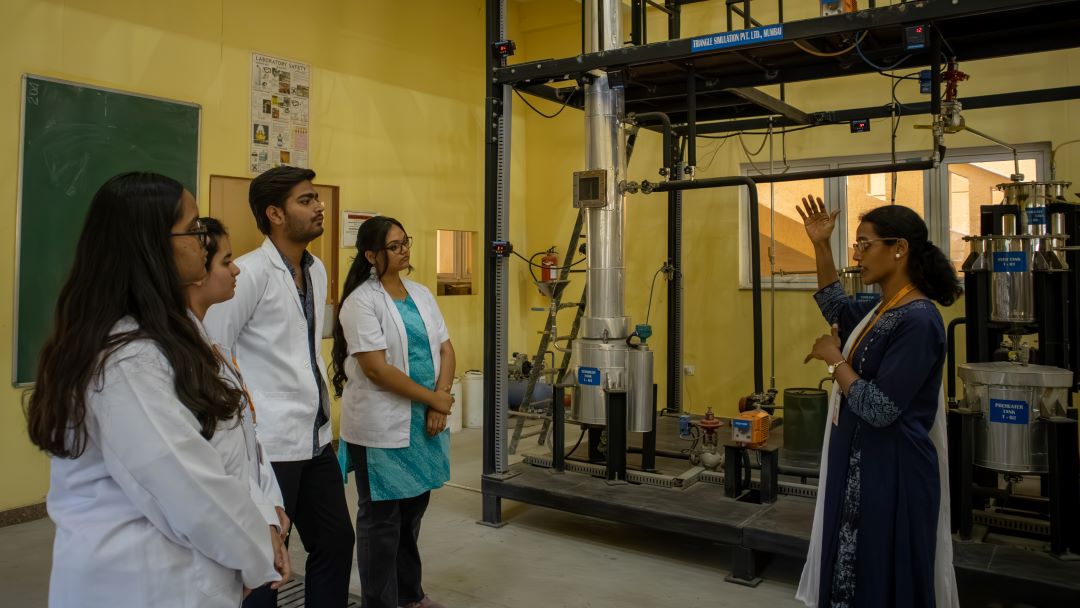
A mass transfer lab is a dedicated facility within a university where experiments and investigations related to the transfer of mass (including gases, liquids, or solids) between different phases or systems are conducted. This lab provides researchers, students, and technicians with the necessary tools and equipment to study the principles and applications of mass transfer. The lab is typically equipped with specialized instruments, apparatus, and measurement tools specific to mass transfer experiments.
Some common equipment found in a mass transfer lab may include
- Distillation columns: These columns allow for the separation of liquids based on differences in their volatility or boiling points. Different types of distillation setups, such as packed columns or tray columns, may be available for experimentation.
- Absorption and desorption setups: These experimental setups involve the transfer of one or more components from a gas phase to a liquid phase or vice versa. Examples include packed bed absorption columns or packed tower desorption setups.
- Extraction apparatus: Equipment used for liquid-liquid extraction processes, allowing the separation of desired components from a liquid mixture using a suitable solvent.
- Adsorption systems: Experimental setups used to study the adsorption of gases or liquids onto solid surfaces. Examples include fixed-bed adsorption columns or batch adsorption systems.
- Membrane separation setups: These setups involve the use of filters or membranes to separate components based on their size, charge, or permeability. Examples include reverse osmosis, ultrafiltration, or gas separation membranes.
- Mass transfer analyzers and sensors: Instruments such as gas chromatographs, liquid chromatographs, or spectrophotometers are used to measure concentrations or compositions of solutions or mixtures, helping analyze mass transfer rates.
- Computational resources: Numerical simulations and modeling tools may also be available to support experimental work, allowing researchers to analyze and predict mass transfer phenomena. Safety measures, including proper ventilation, adherence to safety protocols, and the use of appropriate Personal Protective Equipment (PPE), are in place to ensure a safe working environment. In a mass transfer lab, researchers and students can conduct experiments and investigate various mass transfer processes, such as distillation, absorption, extraction, adsorption, or membrane separation. These experiments contribute to the understanding and optimization of mass transfer processes in areas such as chemical engineering, separation processes, environmental engineering, and other fields where the control of mass transfer is crucial.
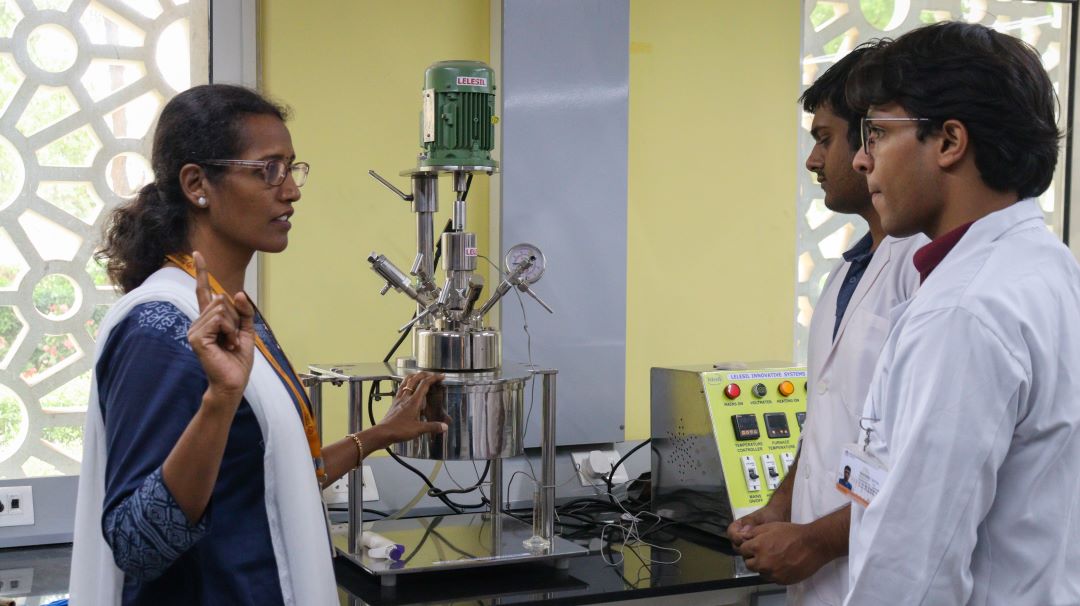
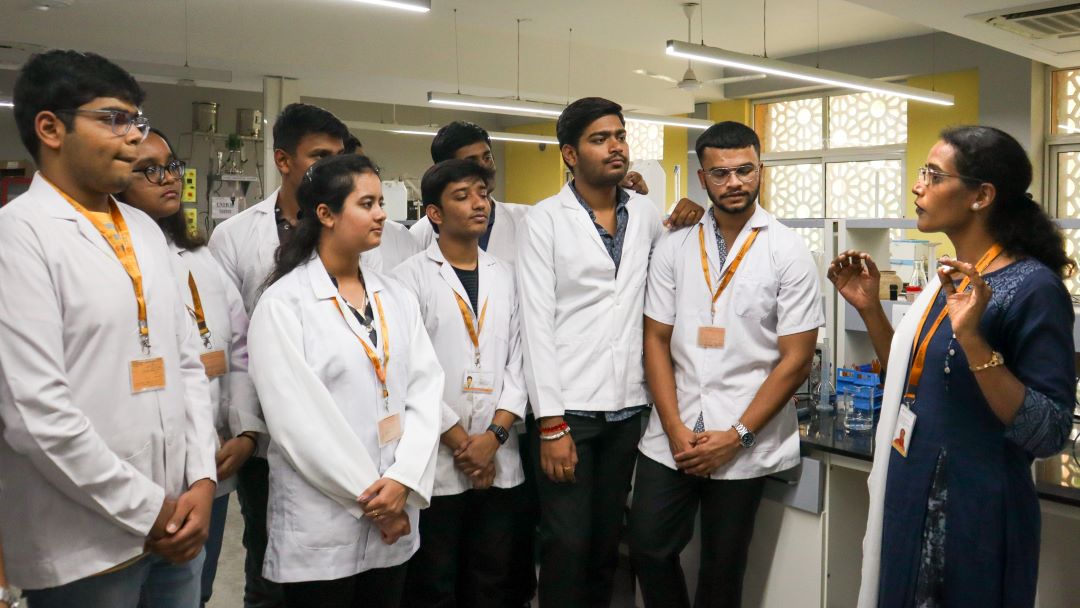
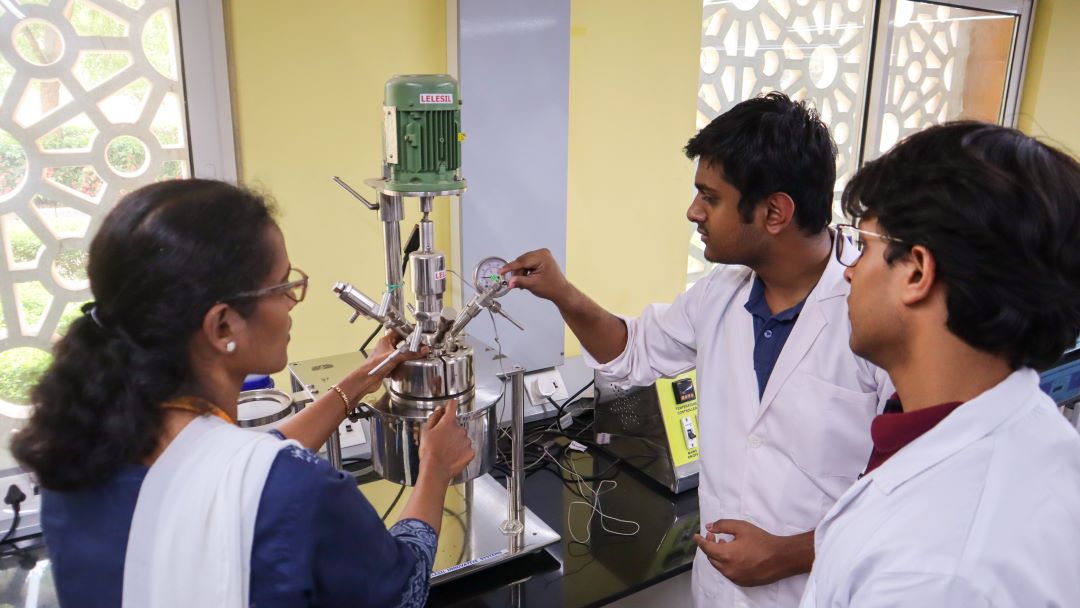
Chemical Reaction Engineering
Chemical Reaction Engineering is a subfield of chemical engineering that focuses on the study and analysis of chemical reactions and their kinetics within chemical processes. It involves designing and optimizing reactors and reaction systems to achieve specific reaction outcomes efficiently and economically. Chemical reaction engineering considers various factors impacting reaction rates, such as temperature, pressure, concentration, catalysts, and reactor design. The goal is to understand and manipulate these factors to control and optimize the rate and selectivity of chemical reactions. In the study of chemical reaction engineering, researchers and engineers analyze and model the behavior of chemical reactions using fundamental principles and mathematical equations.
Some common equipment found in a Chemical Reaction Engineering lab may include
- Reaction Kinetics: The study of the rate at which reactants are transformed into products. Reaction kinetics involves determining the reaction mechanisms, reaction orders, rate constants, and the influence of various factors on reaction rates.
- Reactor Design: The design and selection of appropriate reactors for specific chemical reactions, considering factors such as heat transfer, mass transfer, catalysts, and safety considerations. Common types of reactors used in chemical reaction engineering include batch reactors, continuous stirred-tank reactors (CSTRs), plug-flow reactors (PFRs), and more.
- Catalysis: The study and utilization of catalysts to enhance the speed and selectivity of chemical reactions. Catalysts can promote reactions by providing alternative reaction pathways, lowering energy barriers, or improving reactant adsorption.
- Multiphase Reactors: Many chemical reactions involve multiple phases, such as gas-liquid reactions, gas-solid reactions, or liquid-liquid reactions. Understanding and optimizing multiphase reactions requires considering mass transfer limitations, interfacial properties, and phase separation.
- Reaction Rate Modeling: The development of mathematical models to describe and predict the behavior of chemical reactions under various conditions. These models often involve differential equations and are used to analyze reaction kinetics, reactor performance, and system optimization. Chemical reaction engineering plays a crucial role in various industries, including petrochemicals, pharmaceuticals, polymers, energy, environmental engineering, and more. By understanding and manipulating chemical reactions, engineers can improve the efficiency and sustainability of processes, develop new products, and ensure safe operation in chemical manufacturing
.JPG)
.JPG)
.JPG)
.JPG)
.JPG)
.JPG)
.JPG)
.JPG)
.JPG)
.JPG)
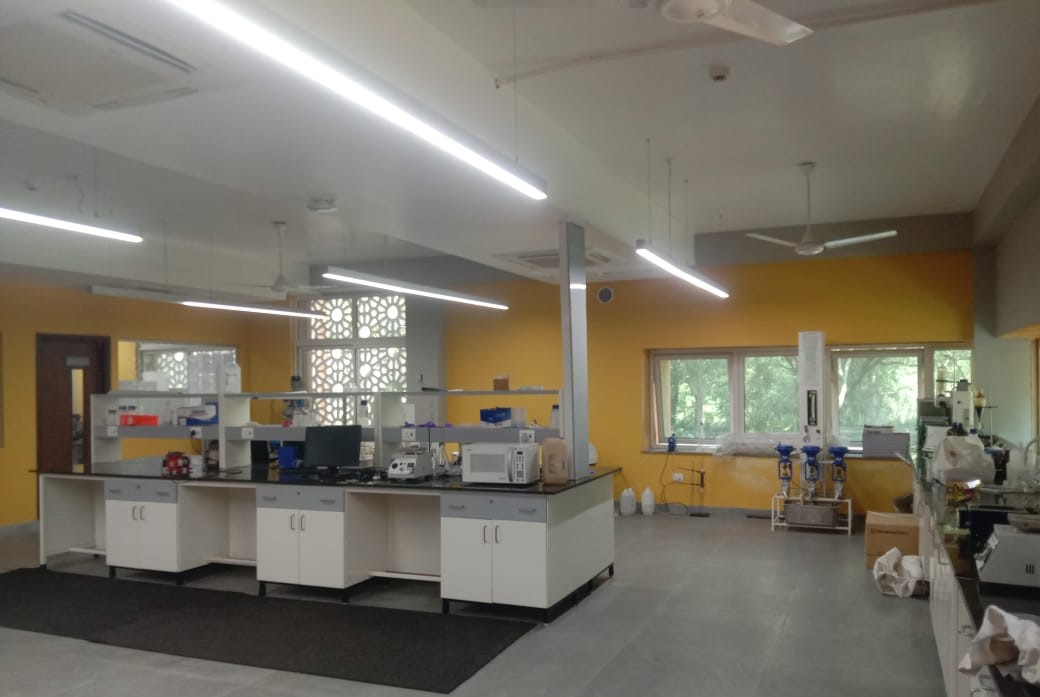
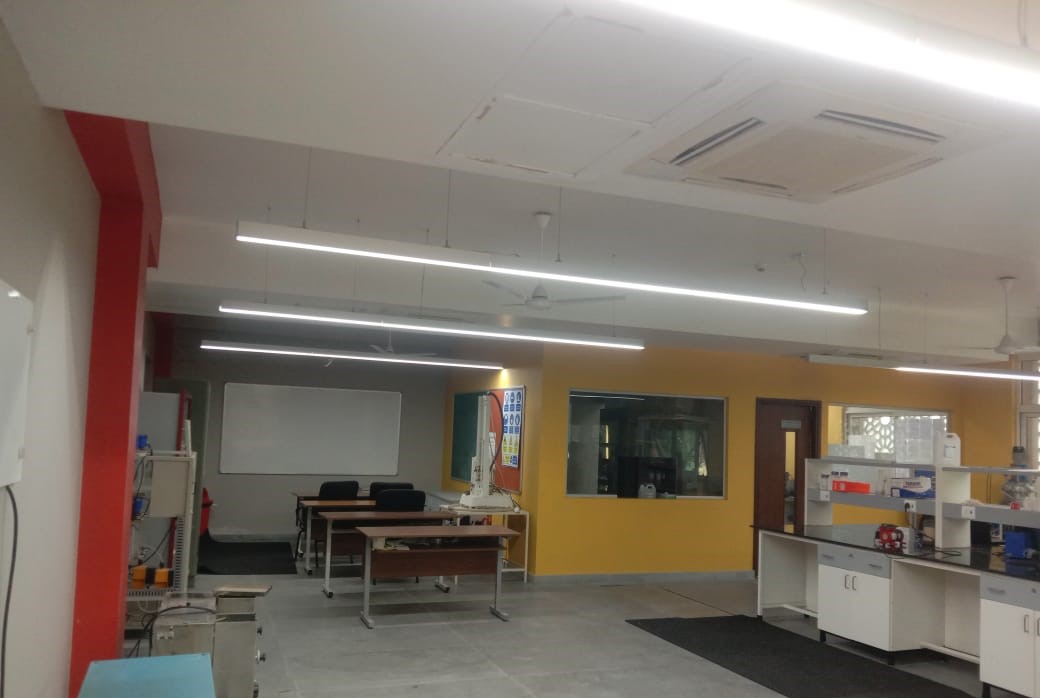
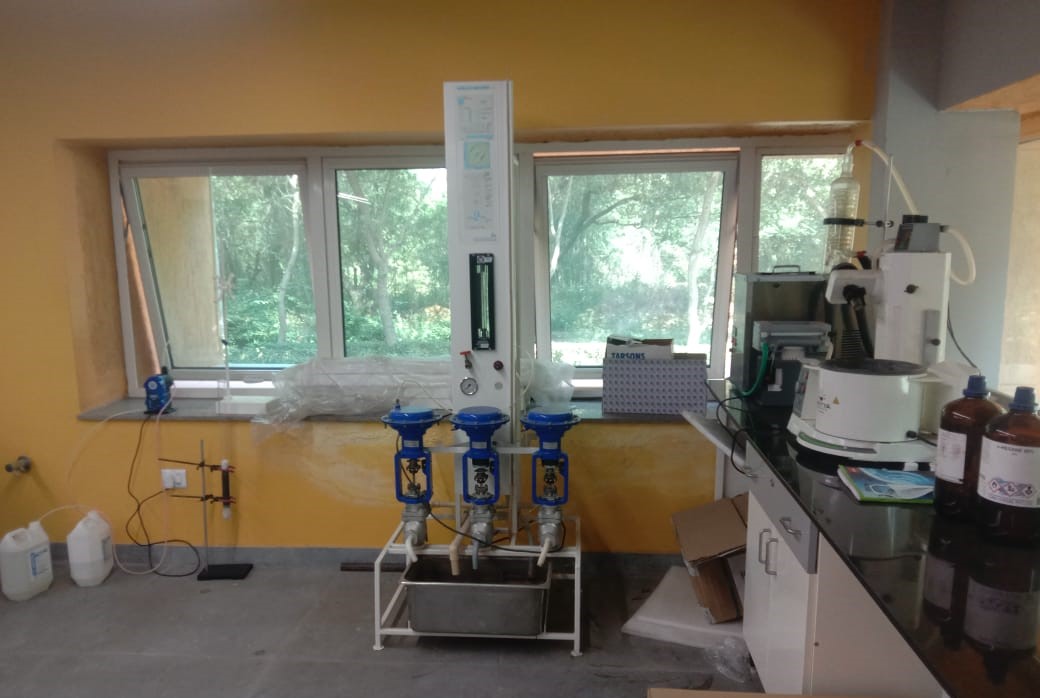
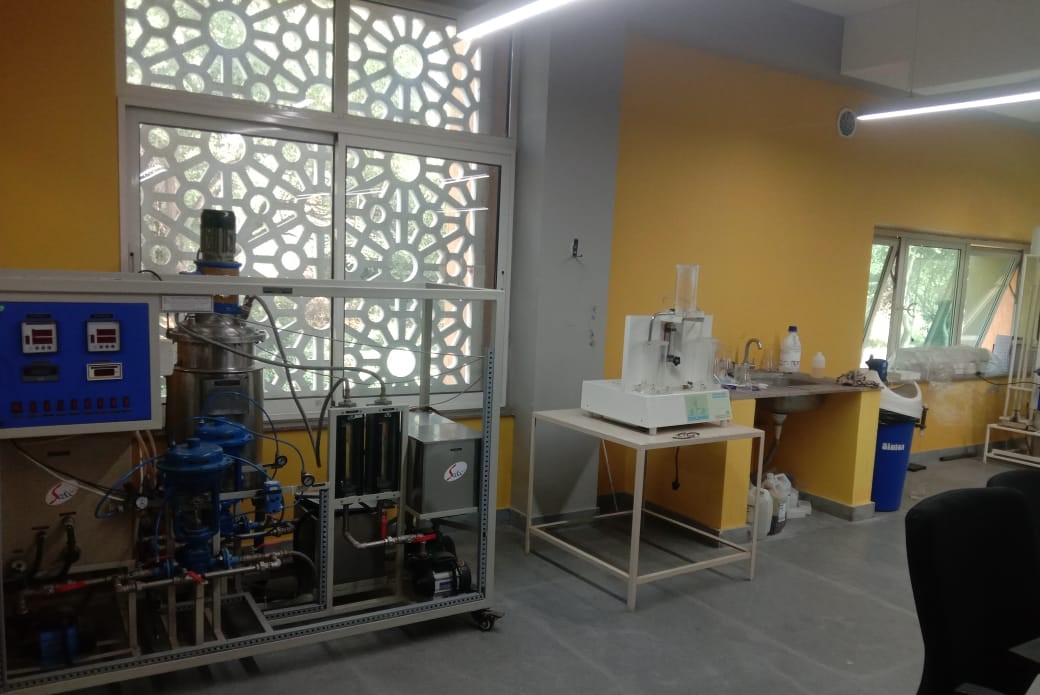
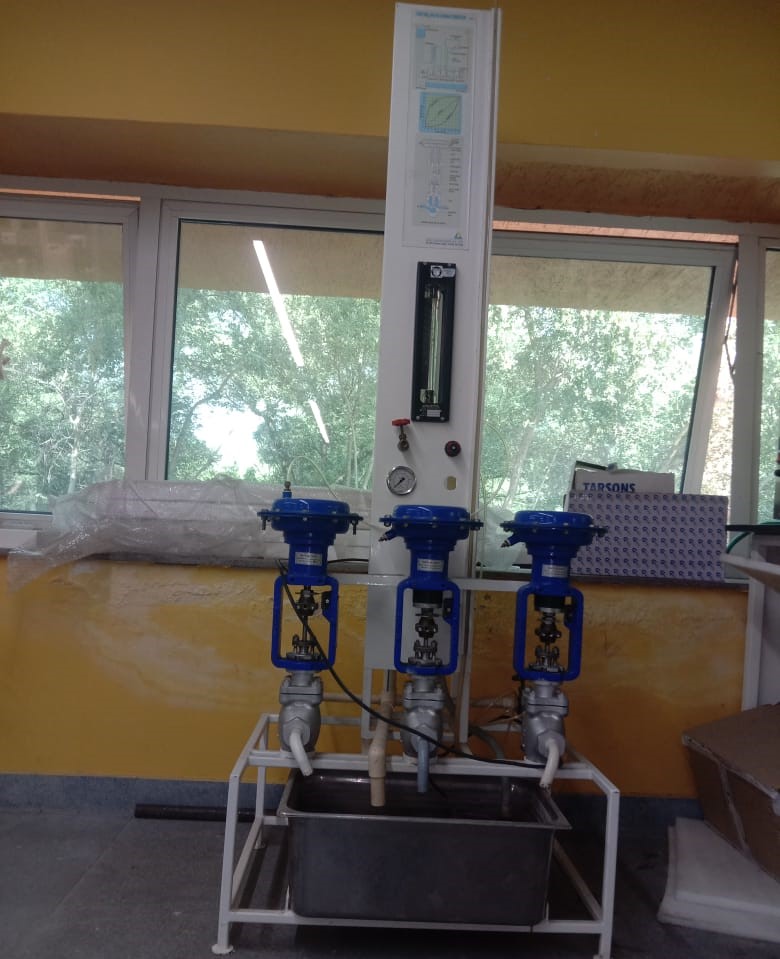
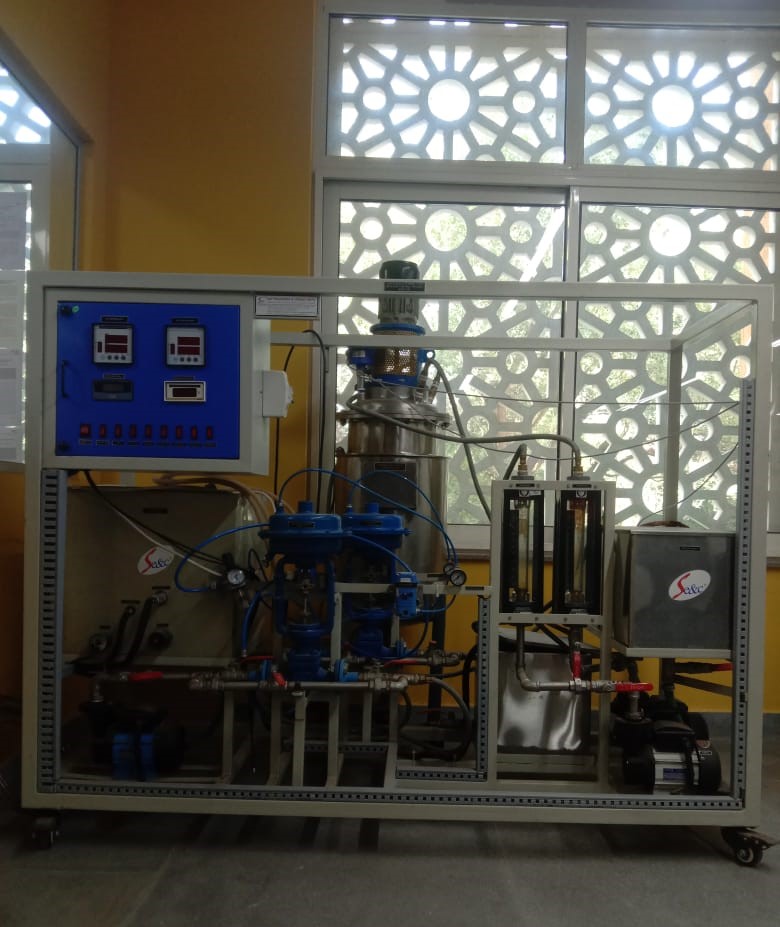
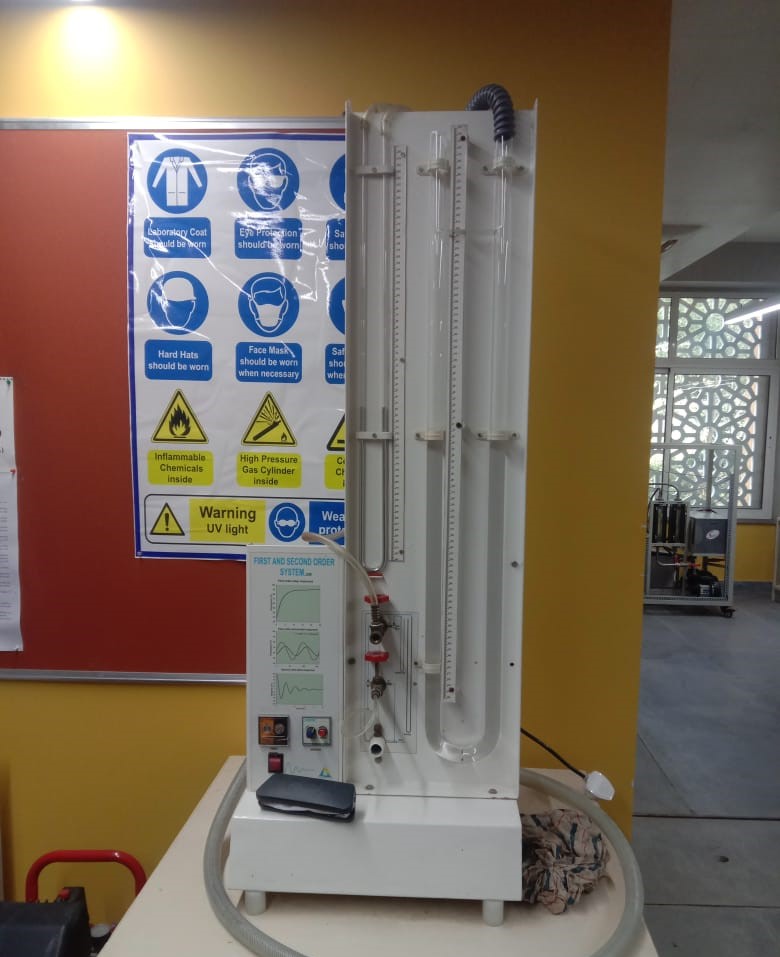
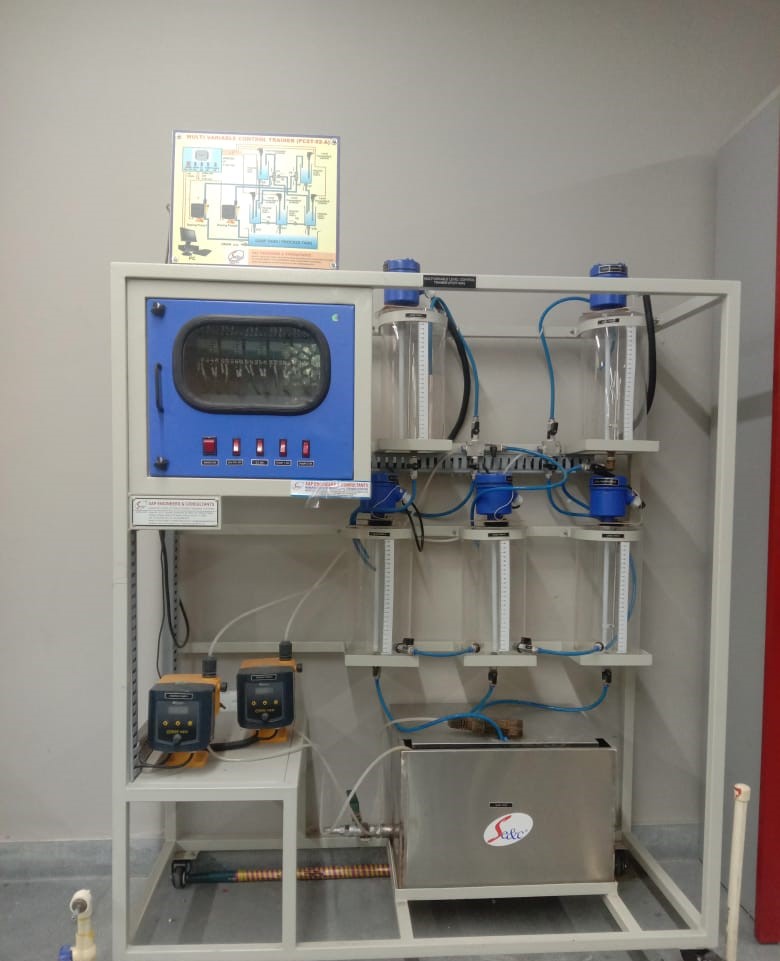
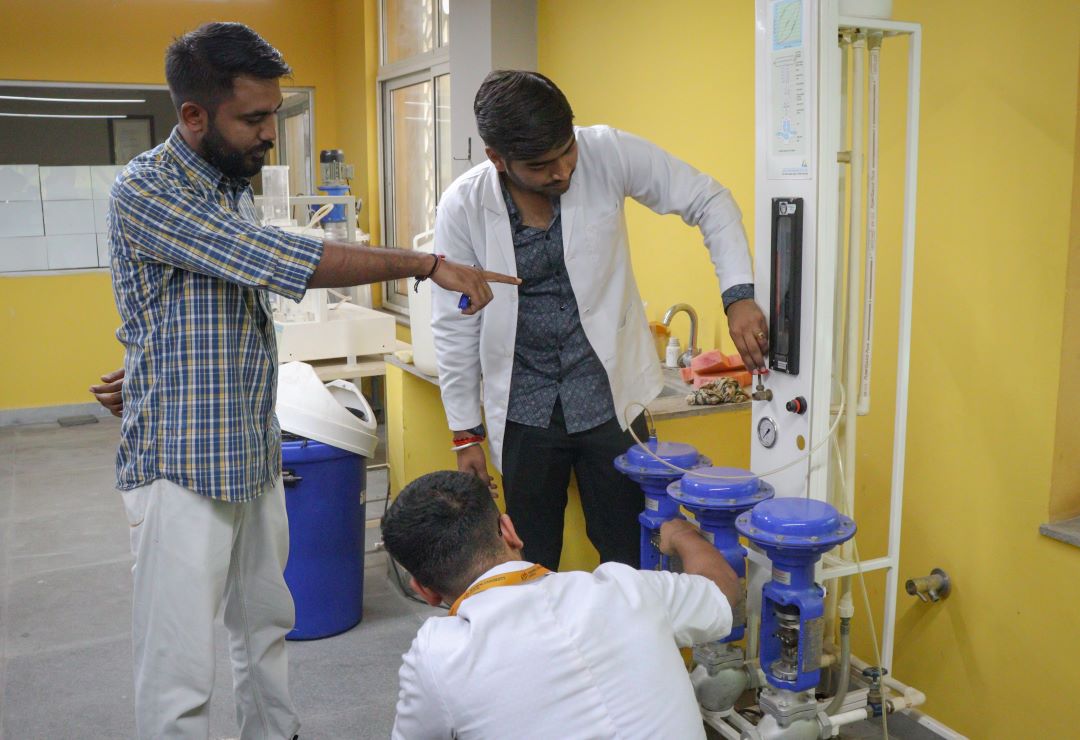
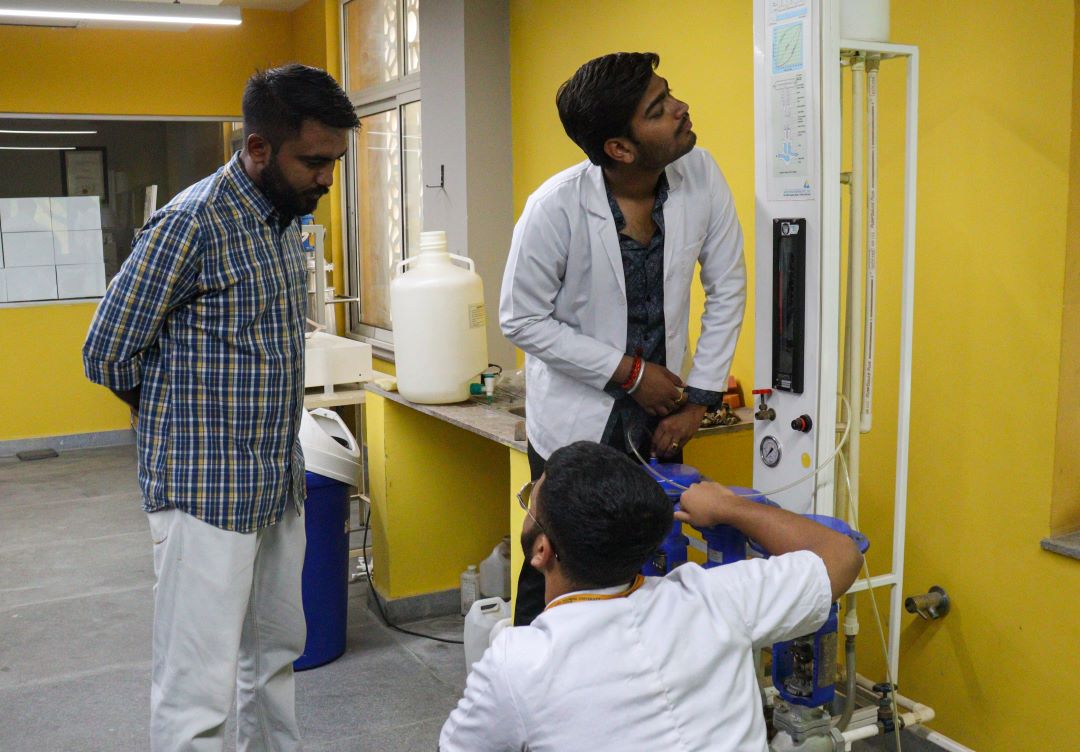
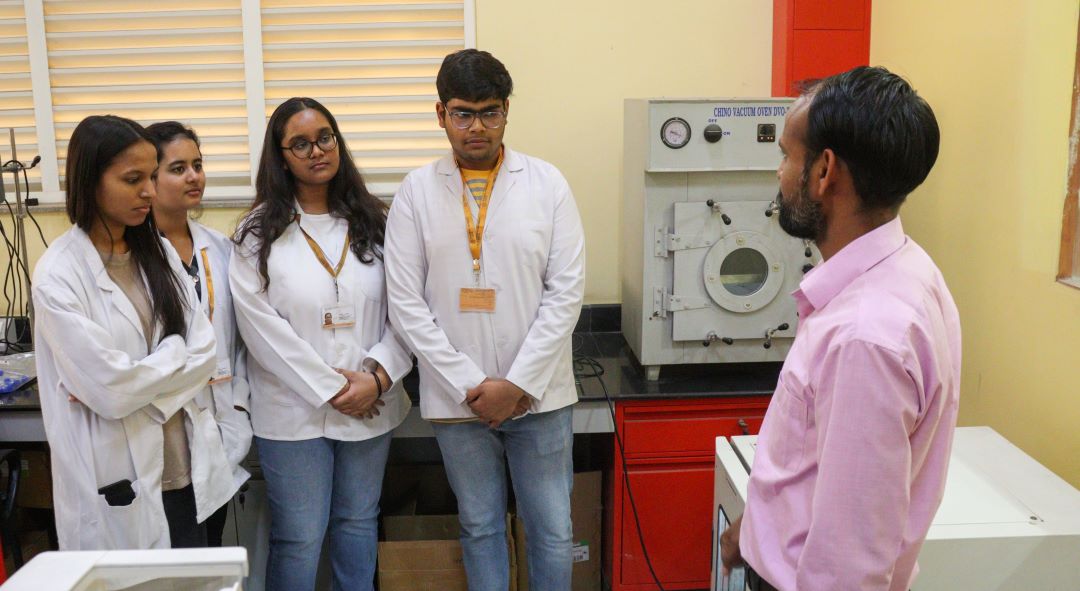
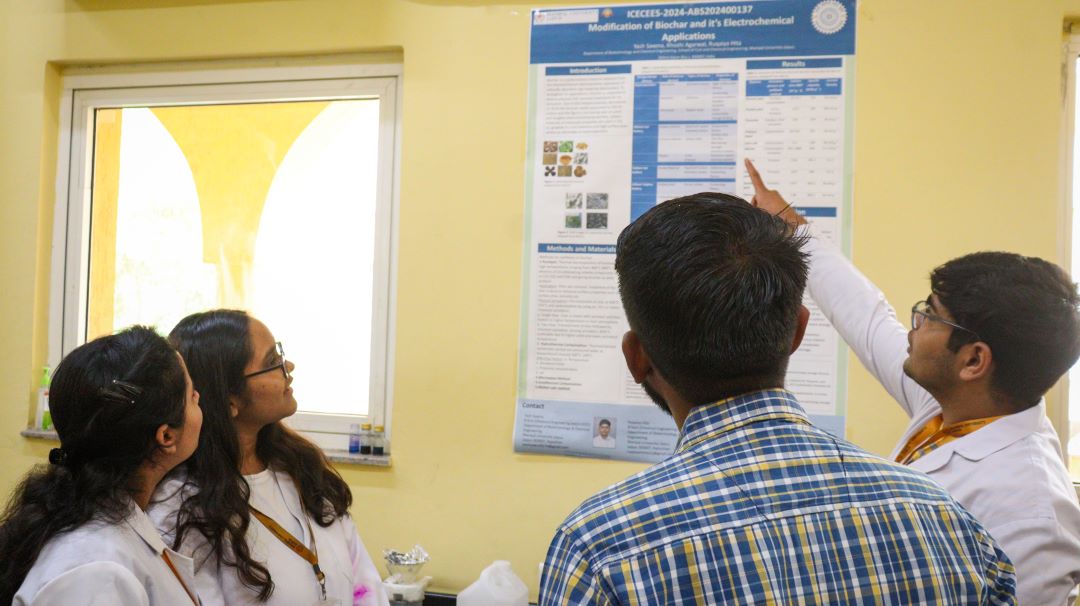
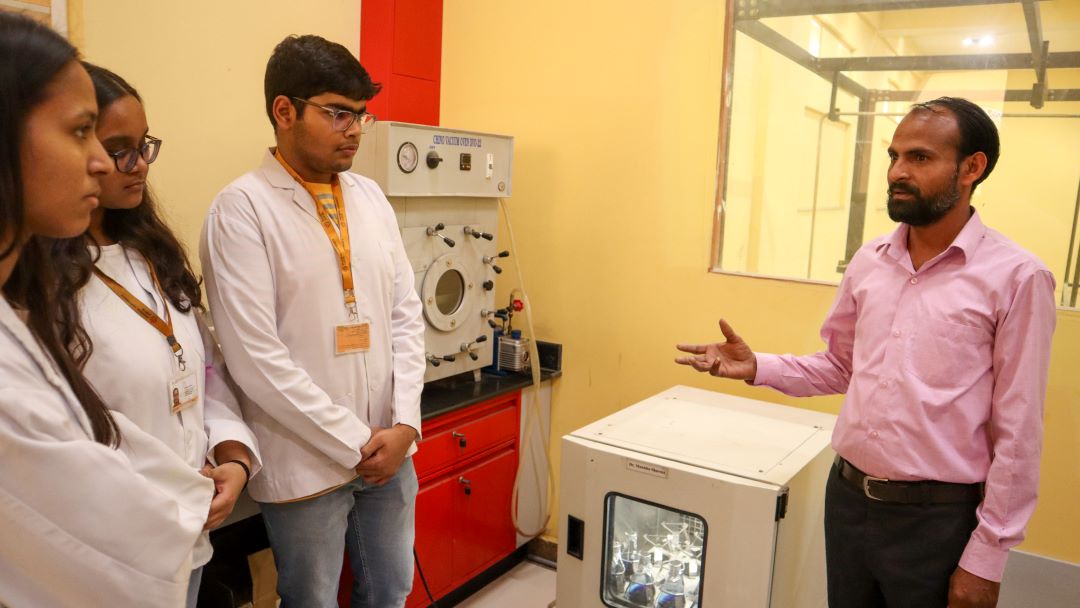
Process Dynamics and Control (PDC) lab
Process Dynamics and Control (PDC) lab is a specialized facility typically found in engineering schools. This lab is dedicated to the study, analysis, and experimentation of process control systems and dynamics in industrial processes. Process dynamics and control involves the understanding and manipulation of the behavior of dynamic systems, such as chemical processes, manufacturing systems, or power plants. It focuses on designing control strategies to regulate and optimize these systems, ensuring they operate safely, efficiently, and in a stable manner. In a PDC lab, researchers, students, and engineers have access to a range of tools, instruments, and equipment to study process dynamics and develop control strategies.
Some common equipment found in a Process Dynamics and Control (PDC) lab may include
- Process Simulator: Software tools that allow the simulation and modeling of various dynamic systems. These simulators provide a virtual platform for experimenting with different control strategies and analyzing system responses.
- Control Systems: Hardware setups, such as programmable logic controllers (PLCs), distributed control systems (DCS), or microcontrollers, are used to implement and test control algorithms in real-time. These systems are often connected to physical equipment and processes for practical experimentation.
- Instrumentation: Various instruments for measuring process variables, such as temperature, pressure, flow rate, level, or composition. These instruments play a vital role in monitoring and providing feedback for control algorithms.
- Control Algorithms: These are developed and tested within the PDC lab to regulate and manipulate process variables. Different control strategies, such as feedback control, feedforward control, or cascade control, may be explored and evaluated.
- Online Analyzers: Analyzers used to monitor the quality or properties of the process stream continuously. Examples include gas analyzers, liquid analyzers, or chromatographs, which provide real-time data for control and optimization purposes.
- Dynamic Process Units: Miniature or prototype process units or pilot-scale equipment that replicate industrial processes. These units may include chemical reactors, heat exchangers, distillation columns, or other equipment relevant to the specific focus of the lab. In a PDC lab, researchers and students can gain hands-on experience in process dynamics, controller design, system identification, and optimization. They can study the behavior of dynamic systems under different conditions, implement and test control strategies, and analyze the responses using both experimental and theoretical approaches. The knowledge gained from a PDC lab is crucial for industries such as chemical processing, oil refining, power generation, and manufacturing, where the effective control of processes is essential for efficient operation, improved product quality, and enhanced safety.
Simulation lab
Process Simulation Lab is a specialized facility that focuses on the simulation and modeling of various industrial processes. This lab is typically found in engineering schools or research institutions and is used to study, analyze, and optimize the behavior of different processes in a virtual environment. In a Process Simulation Lab, researchers, students, and engineers have access to software tools and resources that enable them to create computer-based models of different systems. These simulations replicate the behavior, dynamics, and characteristics of real-world processes, allowing for experimentation, analysis, and optimization without the need for physical equipment or experimental setups.
The main features and resources found in a Process Simulation Lab may include
- Modeling Software: These are specialized software tools such as Aspen Plus, ChemCAD, MATLAB Simulink, or COMSOL that allow users to build mathematical models of various processes. Users can define input variables, simulate different scenarios, and analyze the behavior and performance of the system.
- Process Libraries: These libraries contain pre-built components and unit operations (such as reactors, heat exchangers, pumps, distillation columns, etc.) that can be used to assemble complex process models. It simplifies the modeling process by providing a ready-to-use repository of components
- Thermodynamic Databases: These databases provide accurate and reliable thermodynamic properties of substances, enabling users to calculate phase equilibria, reaction kinetics, and other important properties required for the simulation models.
- Parameter Estimation Tools: These tools help users calibrate the simulation models by estimating or fitting the model parameters based on experimental data. This allows for better accuracy and representation of the actual behavior of the process being simulated
- Data Analysis and Visualization: These tools assist in analyzing and visualizing the simulation results, allowing users to understand the behavior of the system under different conditions and optimize the process accordingly.
- Case Studies and Tutorials: Process Simulation Labs often provide a library of case studies and tutorials to help users learn and apply simulation techniques in different industries. These resources can serve as a guide for understanding the principles and practices of process simulation. Process Simulation Labs offer several benefits, including the ability to explore different operating conditions, predict the behavior of processes, optimize process parameters, troubleshoot operational issues, and design new systems without the need for extensive experimentation on physical equipment. By utilizing these labs, researchers and students can gain valuable insights into the behavior and performance of industrial processes in a safe, cost-effective, and controlled environment. The knowledge gained from process simulation can be applied in various industries such as chemical processing, oil refining, pharmaceuticals, energy, and more to improve operational efficiency, reduce costs, and enhance product quality and safety
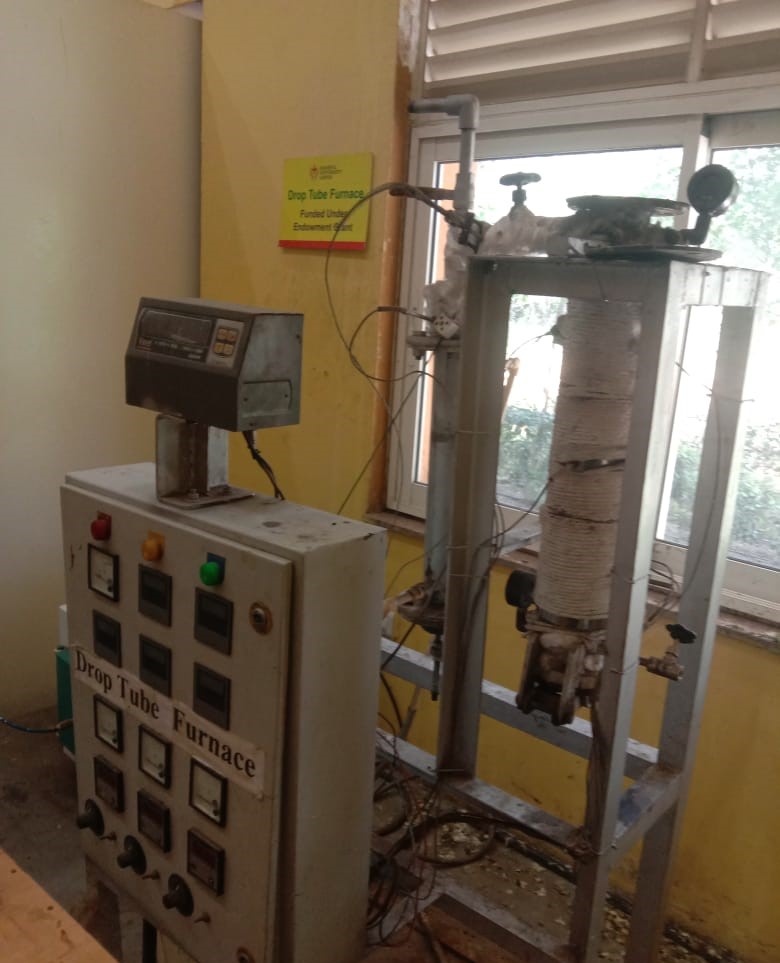
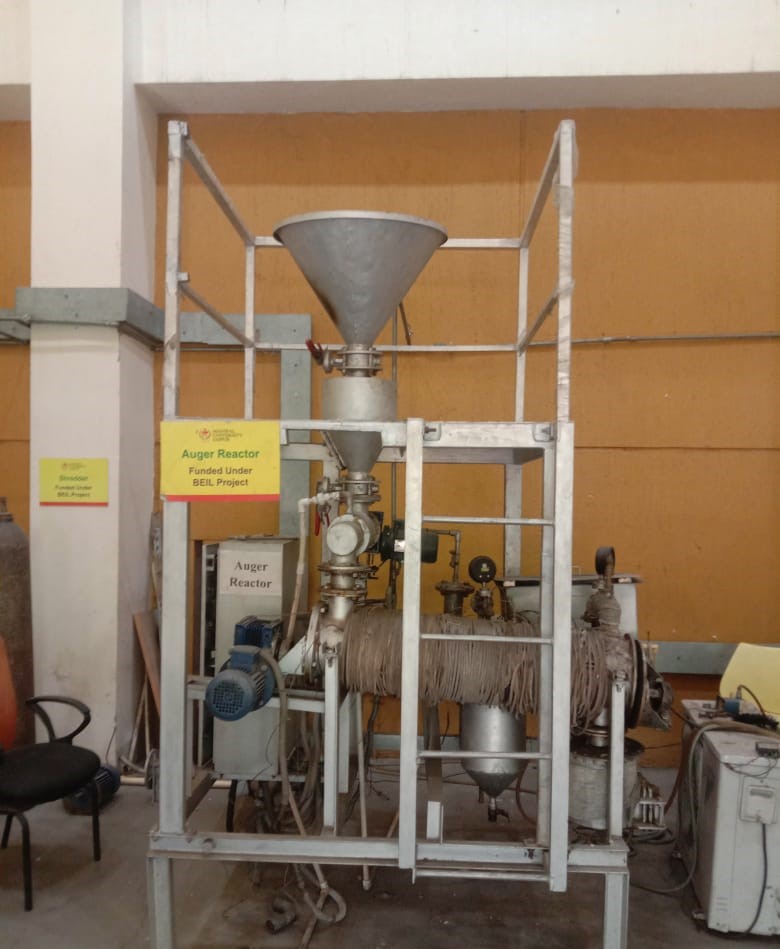
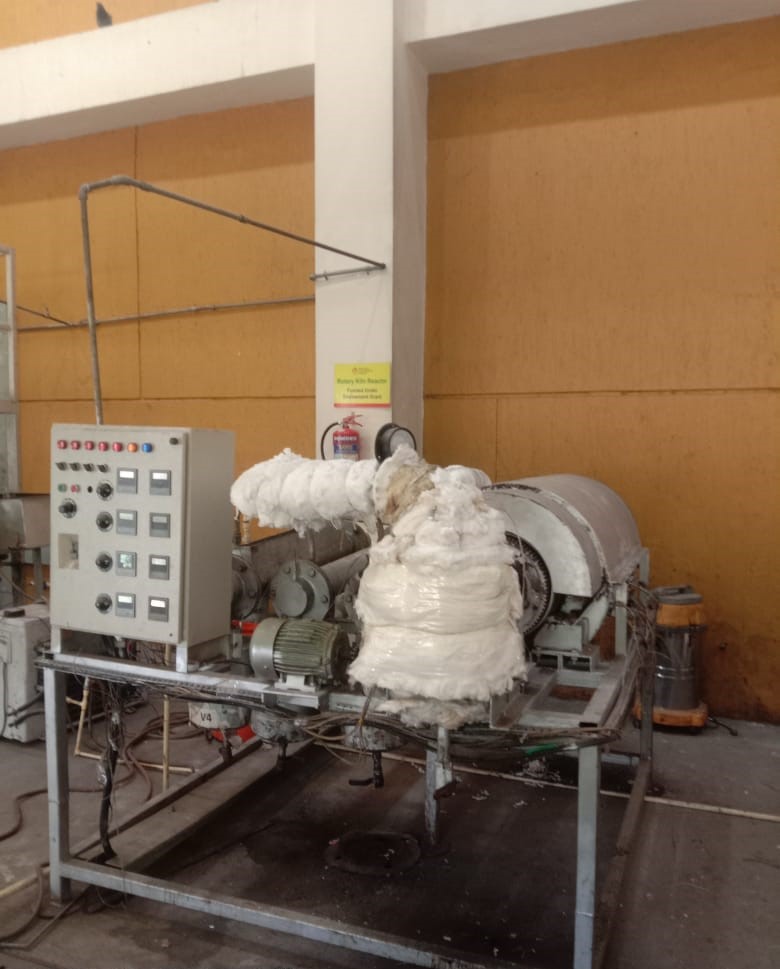
Waste to resources
Research lab to convert waste biomass and plastic waste into value added products. Waste materials could be of different origins such as municipal solid wastes, biomass or industrial waste. The techniques for conversion to energy could be pyrolysis, gasification or anerobic digestion.
FROM THE
STUDENT THOUGHTS

Souryani Mohile
Department of Biotechnology and Chemical Engineering
I can proudly state that we are going to graduate as world-class engineers with knowledge and ability to think out loud

Aamir Bashir
Department of Biotechnology and Chemical Engineering
The Department educates students in a very creative way and encourages them to think out of the box

Ananta Bhatnagar
Department of Biotechnology and Chemical Engineering
This field of engineering teaches us how to apply physical sciences

Harsh Gupta
Department of Biotechnology and Chemical Engineering
The courses, expert lectures, industrial visits and other co-curricular activities manifolds our knowledge in technical as well as in other necessary

Gopika Menon
Department of Biotechnology and Chemical Engineering
The University and the department of chemical engineering pushed every single student to excellence. The experience and exposure offered by this unive...

Vibha Talante
Department of Biotechnology and Chemical Engineering
The department of Chemical Engineering at Manipal University Jaipur (MUJ), with its world class academic team and infrastructure have played a major r...

Swati Sadanandan
Department of Biotechnology and Chemical Engineering
Souryani Mohile
I can proudly state that we are going to graduate as world-class engineers with knowledge and ability to think out loud
Aamir Bashir
The Department educates students in a very creative way and encourages them to think out of the box
Ananta Bhatnagar
This field of engineering teaches us how to apply physical sciences along with mathematics and our faculty help us gain good
Harsh Gupta
The courses, expert lectures, industrial visits and other co-curricular activities manifolds our knowledge in technical as well as in other necessary
Gopika Menon
The University and the department of chemical engineering pushed every single student to excellence. The experience and exposure offered by this university through academics as well as extracurriculars offer an all-round opportunity. If taken complete advantage of, the experience is transformative. Important industrial qualities like soft skills and team management are infused within a person during their time at this institution.
Vibha Talante
The department of Chemical Engineering at Manipal University Jaipur (MUJ), with its world class academic team and infrastructure have played a major role in shaping my career. The faculty of Chemical Engineering at MUJ, moulds and cares for their students, making them industry-ready and capable of facing real life problems. After completion of my bachelors at Manipal, I was fortunate to get admission at The University of Queensland, Australia where I pursued Master of Business in Human Resources & Marketing. I am currently working as an Employee Relations Assistant at G8 Education in Brisbane, which is Australias largest private provider of quality early childhood education. It has been a magnificent ladder of learning, proud to be a part of the very "first batch" of Chemical Engineering family of MUJ.
Swati Sadanandan
Achievements
Ms. Tanima Sharma
National Engineering Olympiad 3.0
Mr. Karan Singh
AIR 361 in GATE 2022.
Mr. Aneesh Kumar
GATE 2021
Dr. Abhishek Sharma
PURSE Project 10 Cr from DST
Dr. Abhishek Sharma and Dr. Anees Khan
92 lacs project funded by Waste Management Technologies of DST
Ir. Nandana Chakinala
Common Wealth Fellowship 2023
Dr.Manisha Sharma and Dr. Anees Y. Khan
DST-POWER Grant of Rs 27.5 lacs
RESEARCH
Exploring the unexplored
The areas of research include:
• Intercultural Philosophy • Eco-Philosophy • Technology and Human Values • Cross-cultural Philosophy of
Religion • Peace Studies • Physical Education and Sports • Exercise Physiology • Sports Psychology •
Sports Biomechanics • Health Education • Sports Management
HAPPENINGS @ FoSTAView all
News


CLUBS & CHAPTER
INDUSTRIAL COLLABORATIONS
EXPANDING Horizons